Lately, I’ve found myself pausing more often just to admire the fields around our home. It’s not a carefully planted garden or a designed landscape—it’s just nature doing its thing. And right now, that means wildflowers. A whole sea of them. Especially daisies.
Some people call them oxeye daisies—Leucanthemum vulgare, if we’re being official. But to me, they’re just joyful little suns on stems, scattered all over the land like nature’s own confetti. They bloom freely, wildly, and unapologetically. No planning, no watering, no pampering needed. They simply are.
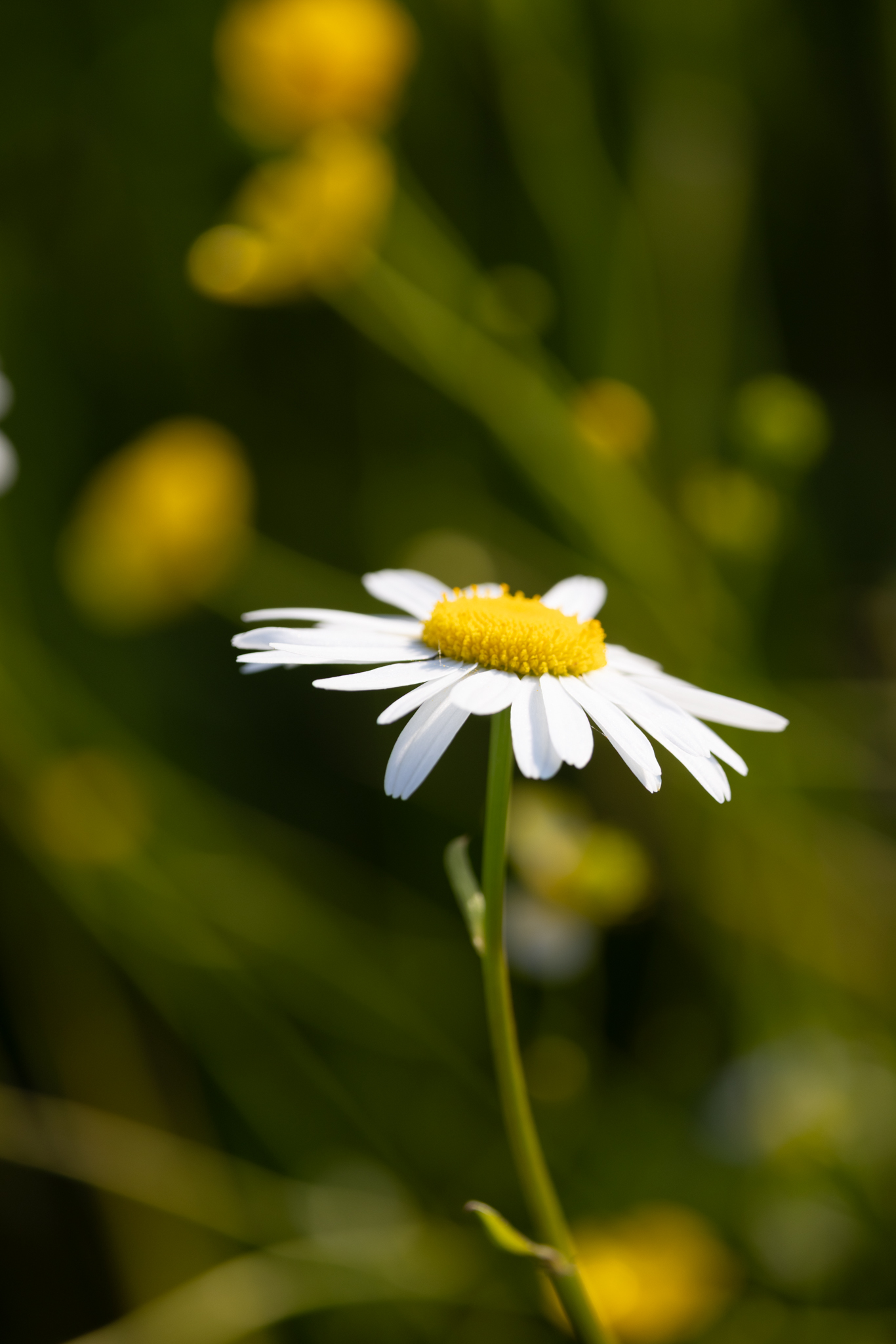
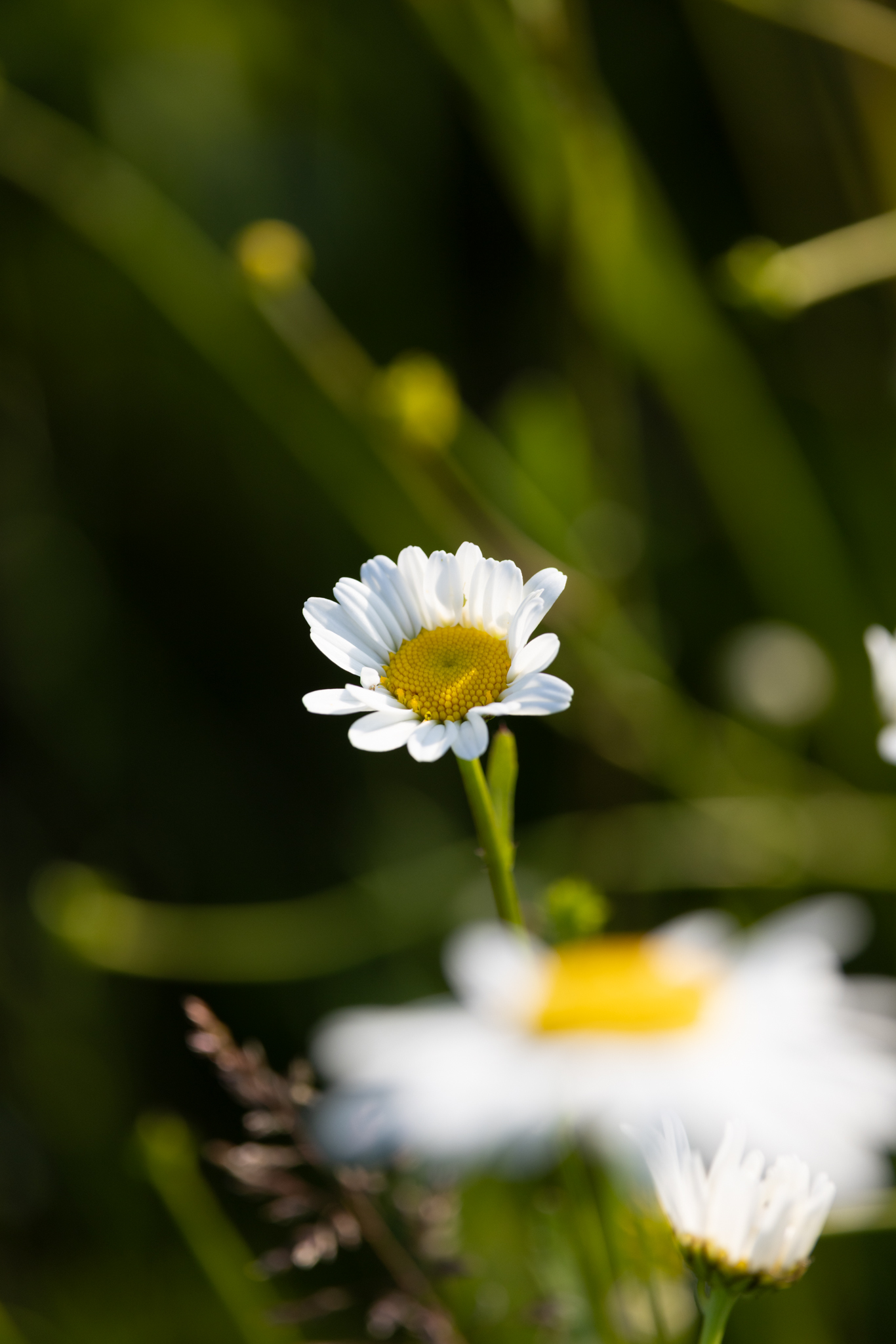
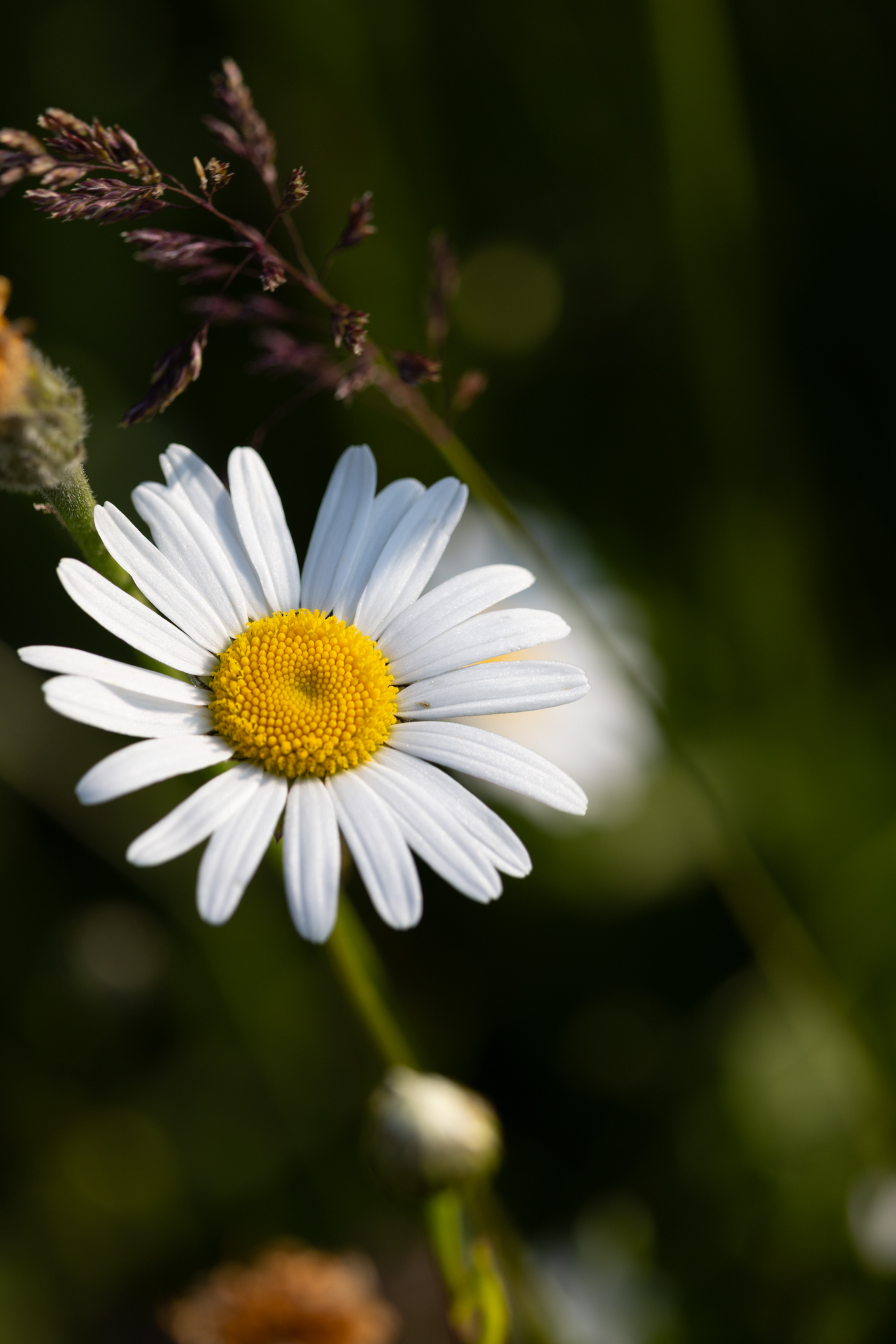
Traditionally, oxeye daisy has been valued in herbal medicine for its gentle healing properties:
- Respiratory support – Flower infusions were used to ease coughs, bronchitis, and mild asthma.
- Digestive relief – A mild tea was made to help with indigestion, bloating, and loss of appetite.
- Wound care – Crushed leaves were applied externally to soothe minor cuts and skin irritations.
- Calming the nerves – The daisy tea was sometimes taken to reduce anxiety and restlessness.
I think I’ll give it a try as a tea—just pick a few blossoms, dry them slowly, and save them for the cold winter months. A little taste of summer when everything outside is gray.
They make our messy, unfinished land feel alive. Like it’s already enough, even if we haven’t planted everything we dreamed of yet.
Do you have wildflowers growing around your home too? Which ones always make you smile?
Ilze
Discover more from a day in the life of a latvian mom
Subscribe to get the latest posts sent to your email.
 a day in the life of a latvian mom
We have these in our garden and all around the lanes. It was fascinating to read the medicinal qualities you list
LikeLiked by 1 person
These are the larger ones. The tiny ones growing in the garden lawn are a different kind—but they’re still daisies! In Latvian, the wild ones are called margrietiņas, while the smaller ones are mārpuķītes. Different names for different flowers. I’ve always found it curious that in English, the word “daisy” can refer to so many different flowers!
LikeLiked by 1 person
We don’t but there are parts of the city that are designated wildflower areas in the summer. I always enjoy watching what mother nature gives us.
LikeLiked by 1 person
That’s wonderful—having wildflower areas in cities is such a great idea. They’re not only a haven for bees and other pollinators, but they also bring beauty and a little bit of nature back into people’s daily lives. A win for both wildlife and humans!
LikeLiked by 1 person
We are having dire problems with bee loss and that will significantly reduce crop productions.
LikeLiked by 1 person
Absolutely, it’s alarming. The loss of bees isn’t just about honey—it’s about the whole ecosystem. Without them, so many crops we rely on could fail. It’s a reminder of how interconnected everything is. Are there any local initiatives or things individuals can do to help support pollinators in your area?
LikeLiked by 1 person
We will have a huge food shortage without enough bees. I’m a major issue yet you never hear about it on the news or the initiatives to increase the population let alone what we can do ourselves to help.
LikeLike
Absolutely, it’s such a critical issue that often flies under the radar. Bees play a vital role in pollinating so many of the foods we rely on, and their decline could impact global food security in a big way. It’s frustrating how little attention it gets in mainstream media and policy discussions. I think raising awareness and supporting local efforts—like planting pollinator-friendly gardens and reducing pesticide use—are things we can all do to help. Have you come across any community initiatives or resources that focus on protecting bees?
LikeLiked by 1 person
I’ve actually heard nothing except an article I read regarding the dire situation. I don’t use pesticides and plant several flowers that bees like. I think most people take the matter as seriously as global warming, it’s not their issue. We’ll all find out soon enough.
LikeLiked by 1 person
The flowers are gorgeous, Ilze.
LikeLiked by 1 person
Thank you! 🙂
LikeLiked by 1 person
I love the wild daisies and lupine – nature’s art
LikeLiked by 1 person
“Lupines! I love them! They’re pretty aggressive here, so people are actually encouraged to pick them and bring them home — into a vase or even a bucket. 😊 I still dream of sowing some around our pond, but I’m not sure it’s a good idea since they’re considered invasive…
LikeLiked by 1 person
I didn’t know that wild Lupines can be invasive… I know the wild daisies can be considered weeds where I live but I still like them!
LikeLiked by 1 person
Yes! They are! They take over fields! Look lovely, but all the native plants can’t compete…
LikeLiked by 1 person
The Australian deserts are at their best after rain—awash with wildflowers of all colours.
LikeLiked by 1 person
I bet they are!
LikeLiked by 1 person