Great Tit (Parus major) is the first and most frequent to arrive. Its familiar black-and-yellow plumage, framed by a bold black head, is a cheerful sight against the duller tones of the season.
I’ll admit, the Great Tit feels a bit predictable—its visits so routine that I sometimes catch myself dismissing it as boring. But is it really? Watching its swift, purposeful movements, the way it chirps to claim its space, and its quick dives to snatch a sunflower seed, I realize it’s anything but dull… if you have time to watch.
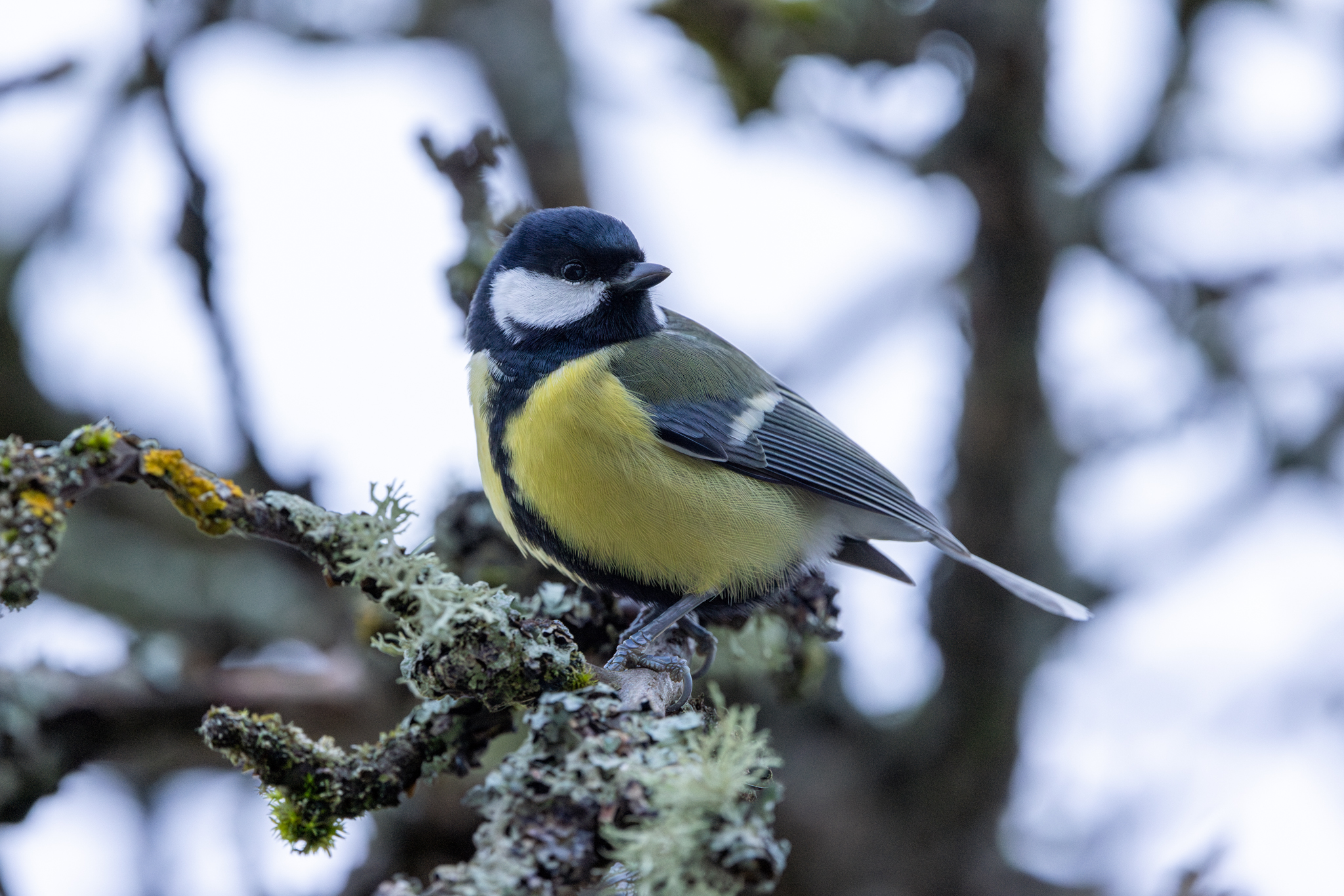
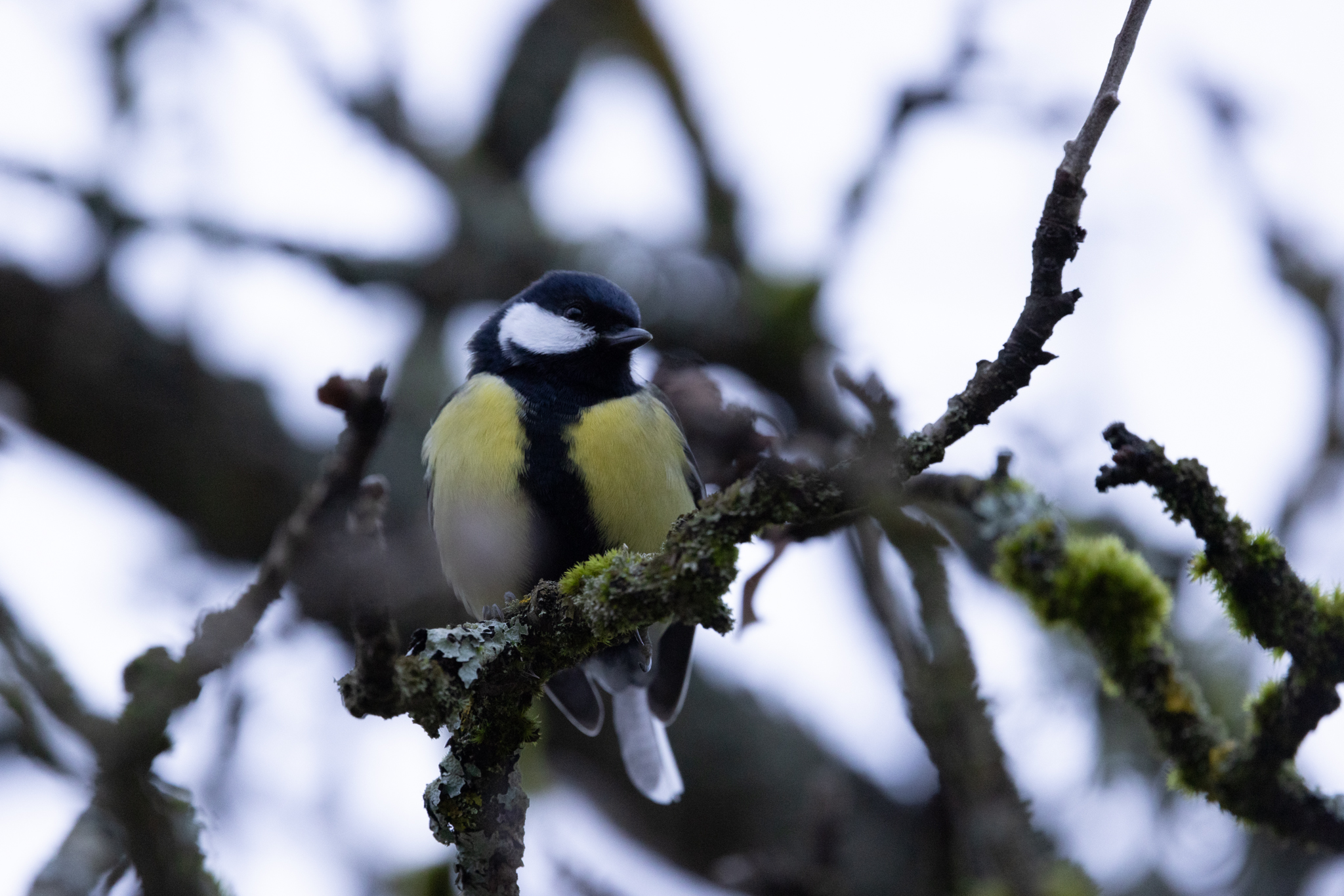
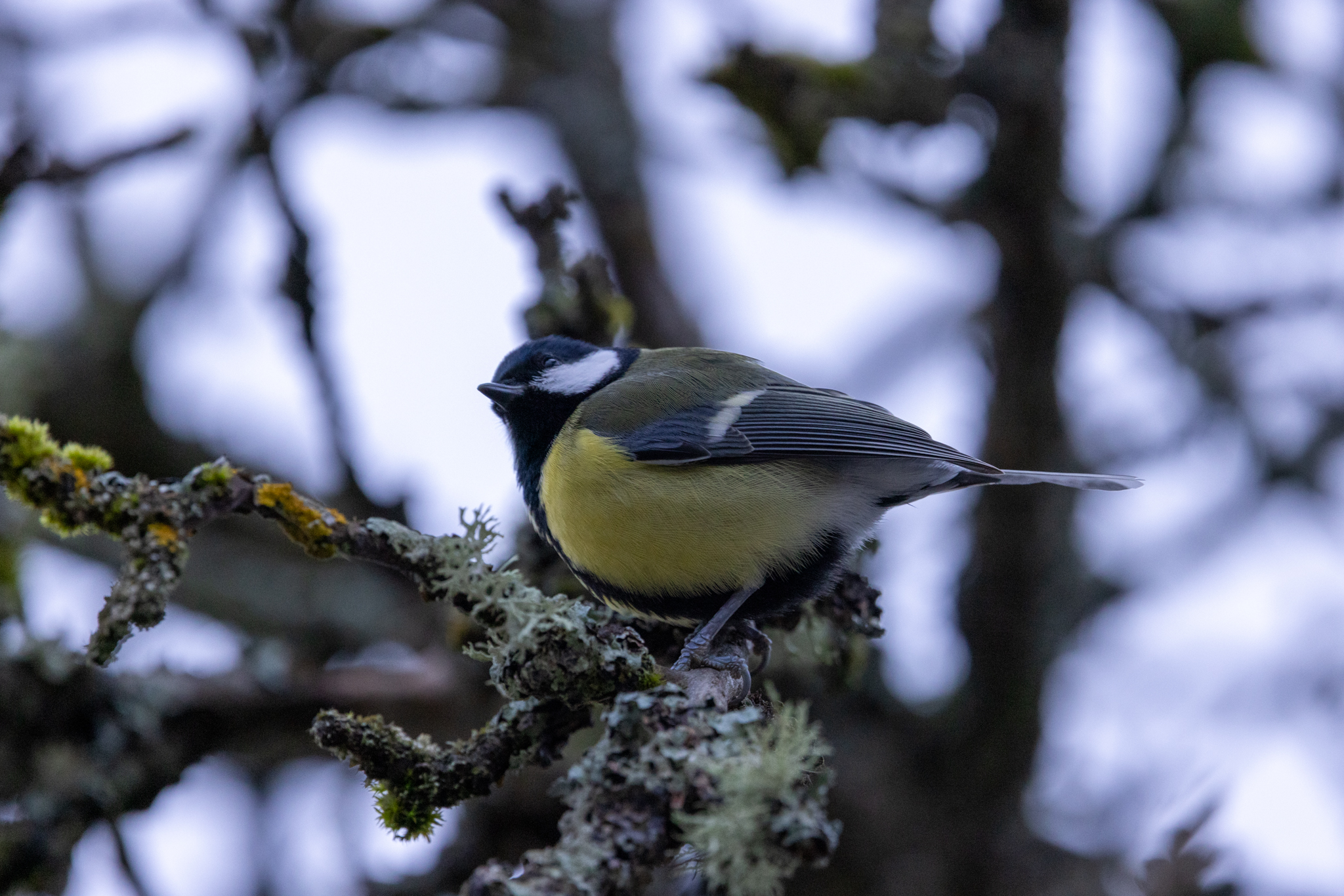
So, I’ve decided to give the Great Tit its due appreciation. It may be common, but it’s also a steadfast companion—always there, a small piece of wildness brightening my boring day.
Who visits your feeder most often? Do you have a “boring” bird that you secretly love too? Let me know!
Ilze
P.S. I can’t believe how high I had to crank up my ISO to capture this picture! So gray outside! Boring…
Discover more from a day in the life of a latvian mom
Subscribe to get the latest posts sent to your email.
 a day in the life of a latvian mom
It’s beautiful!! He’s a great visitor to have.
When the overnight temperature drops to freezing in the fall I put out a suet feeder for the birds. Right now, I have White-crowned, One Golden-crowned, and a pair of House Sparrows at my feeder for the winter months. I expect more White-crowns will start showing up soon. There’s a Cooper’s Hawk that swoops in a couple of time a month looking for breakfast. I have California Quail feeding under the feeder, and a Black-billed Magpie or two show up to eat from the feeder too.
LikeLiked by 2 people
Thank you! Your feeder sounds like a wonderful hub of activity—what a treat to see such a variety of birds up close! The Cooper’s Hawk must add a bit of excitement (though I’m sure the smaller birds don’t appreciate it). California Quail and Black-billed Magpies are such beautiful visitors to have as well. It’s amazing how feeding stations can create their own little ecosystems during the colder months!
LikeLiked by 1 person
beautiful photos Ilze! there is a bird that makes such a beautiful call in the spring but i cannot identify it. either way, I know when I hear that call, spring is about to begin 🙂 Mike
LikeLiked by 2 people
Thank you, Mike! That sounds so lovely—hearing a bird’s call as a sign of spring must feel magical. It might be a songbird like a European Robin or Chaffinch if you’re in Europe, or maybe a Blackbird, as they often have beautiful, distinctive spring calls. If you’re elsewhere, it could be something like an American Robin or a Song Sparrow. If you can record it some time, there was an app named… Margo.. Merlin Bird ID – something like that, that might help to pin point the bird. Either way, what a wonderful reminder that spring is just around the corner (a few corners)! 🌼
LikeLiked by 1 person
Wow, Ilze! Your photos of this sweetie are very beautiful! Great job. I love the bird’s varied colors, so pretty. 😍
LikeLiked by 1 person
Thank you so much! I’m so glad you like the photos! The bird’s colors are definitely stunning, aren’t they? Nature never fails to amaze with its vibrant palette. 😊 I’m always in awe of how every little detail comes together so beautifully in the wild. I hope to get even sharper pictures in the summertime when the light’s better! Right now, it’s so gray, and I’ve been dealing with ISO grain and noise—definitely a challenge!
LikeLike
You’re welcome, Ilze. ❤️ I use an HDR app on the MacBook called Aurora HDR. It has a great denoising feature.
https://skylum.com/aurora-hdr-vs-luminar-neo?srsltid=AfmBOoplUkcxyVieNi4g46bq98aSBBD7qZQz4NgCEwZTx1ZYeOJMy1hD
LikeLiked by 1 person
We normally enjoy our Great Tits, but almost all our small birds have succumbed to the magpies this year.
LikeLike