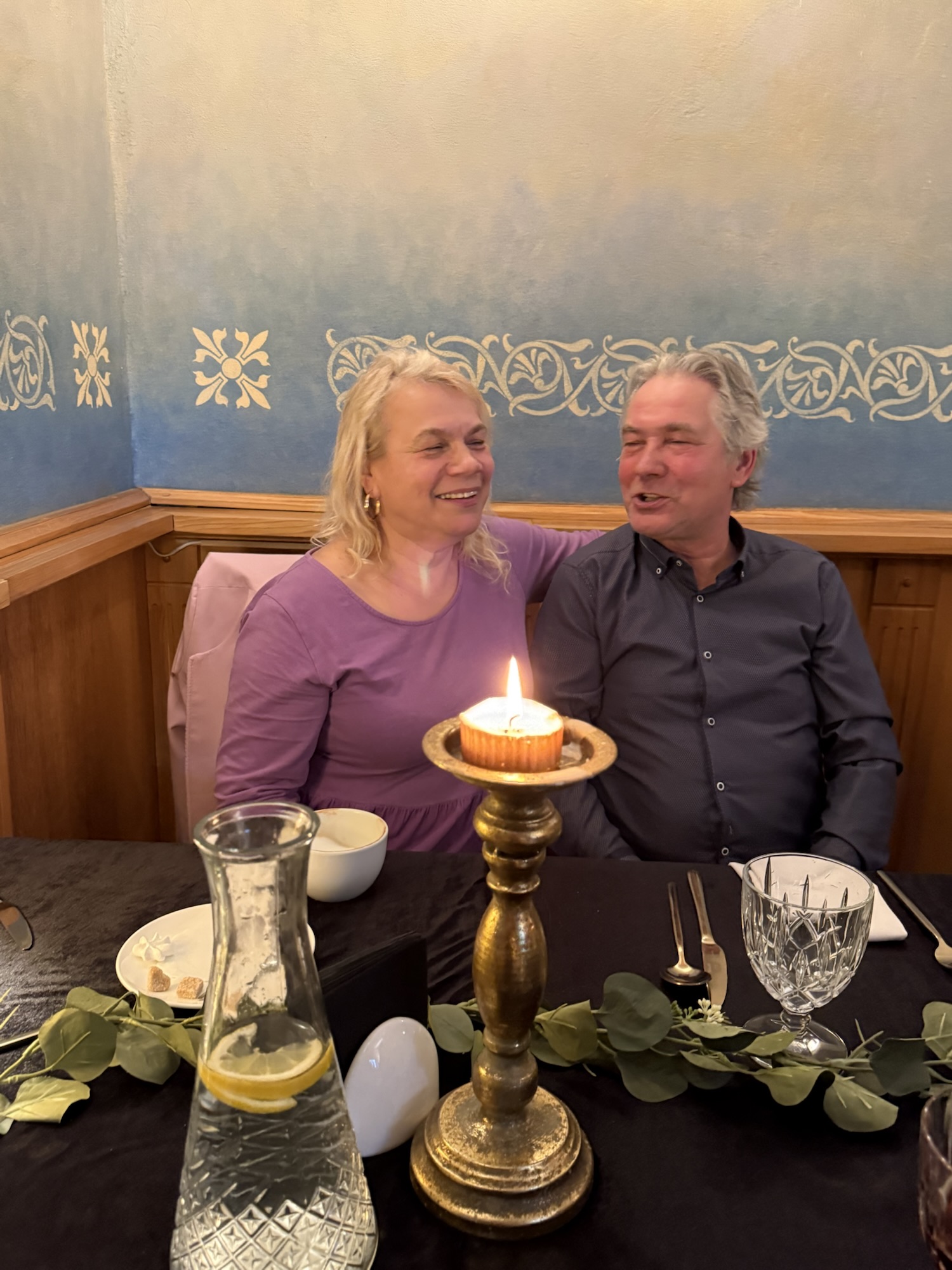
April always feels full in our family. Helmī godfather, then our friend Mario, then Niks (kids cousin) and Ilze – Jānis mother. Usually it means cake, flowers, getting dressed up, and those long evenings filled with laughter and stories.
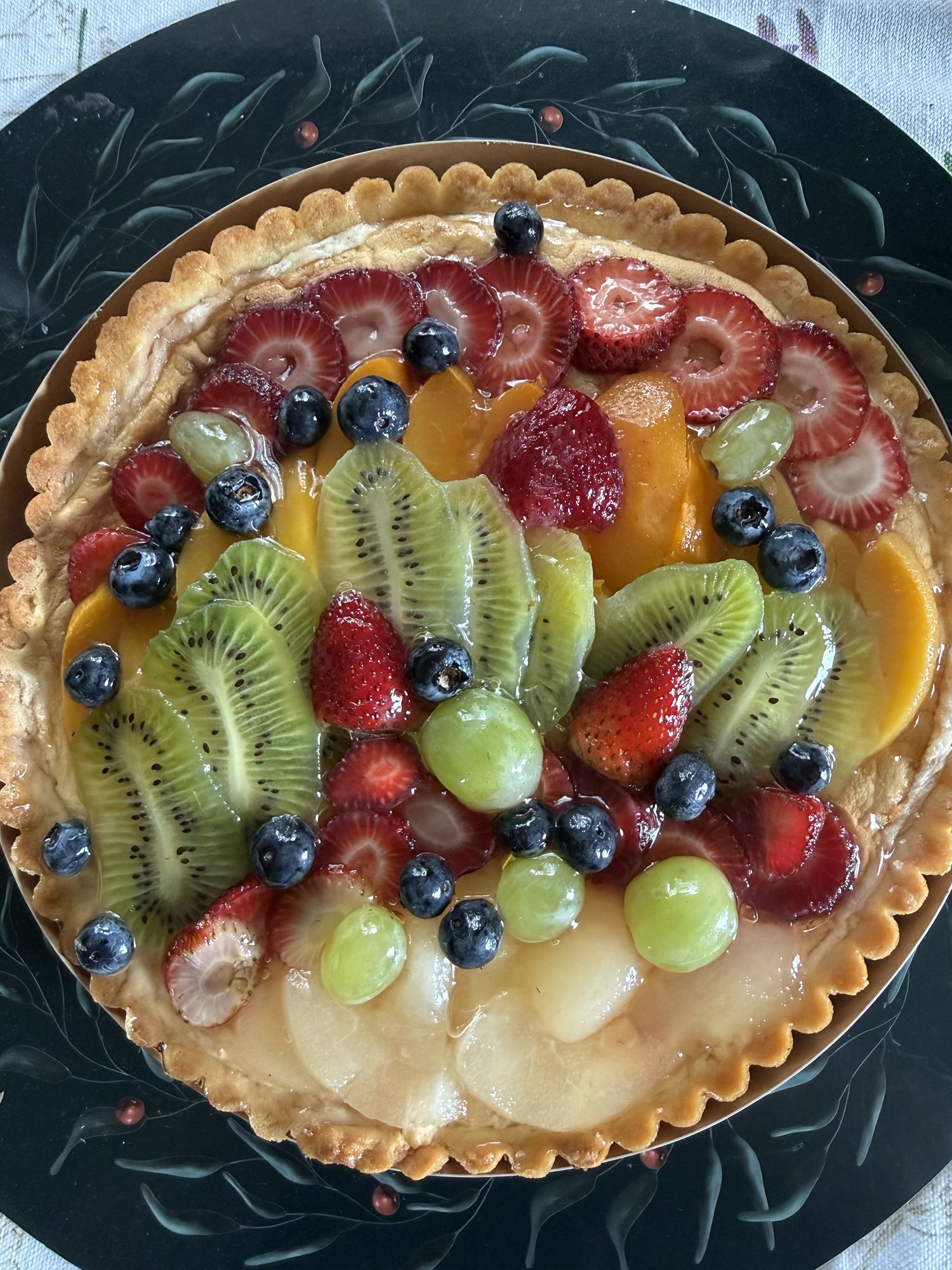
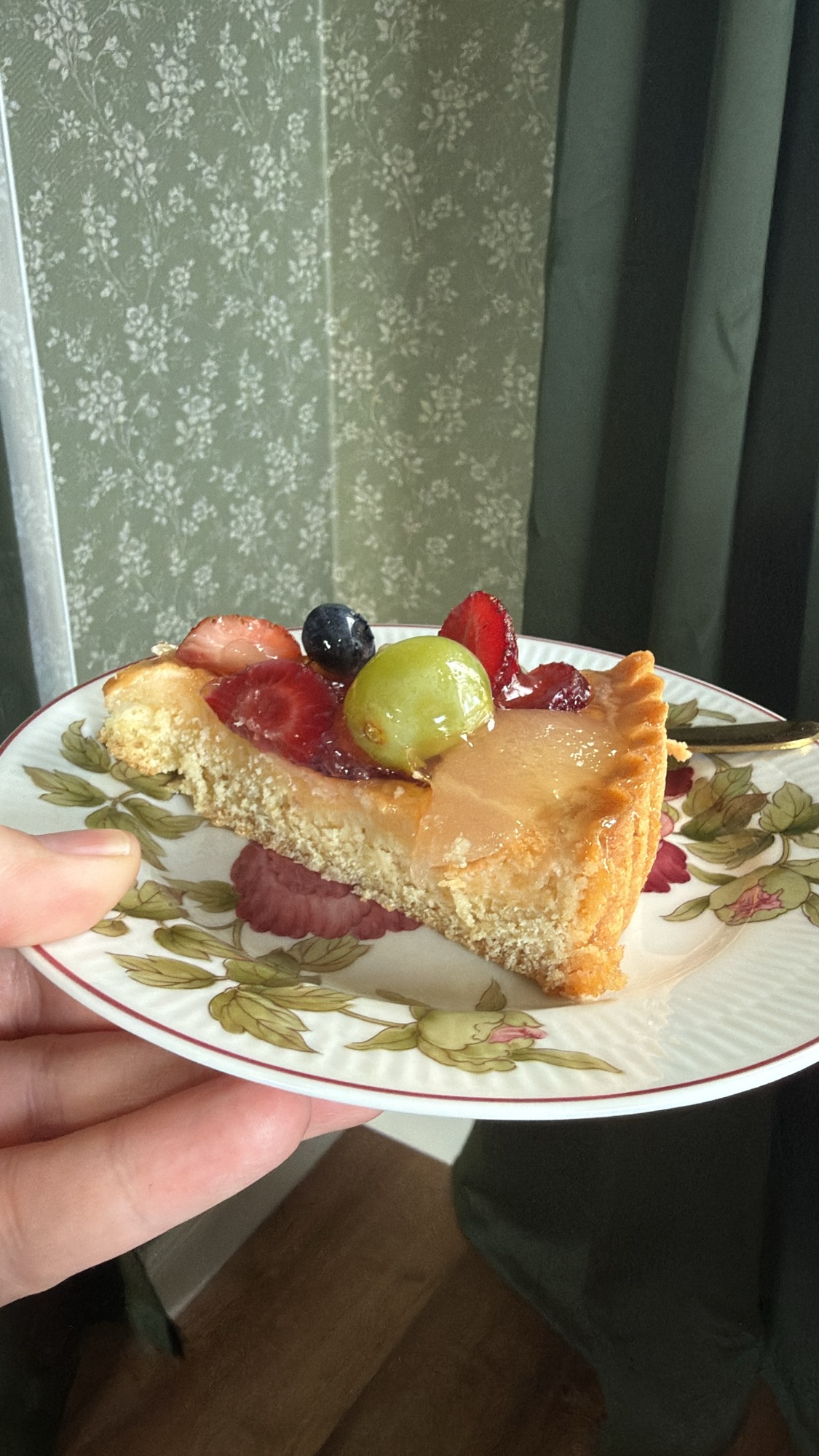
This weekend was two celebrations planed – first Grandma Ilze’s birthday.
At 6 PM we started getting ready, and before leaving I talked to Helmī. Everything was peachy. She was completely herself — happy, chaotic, and excited to go out.
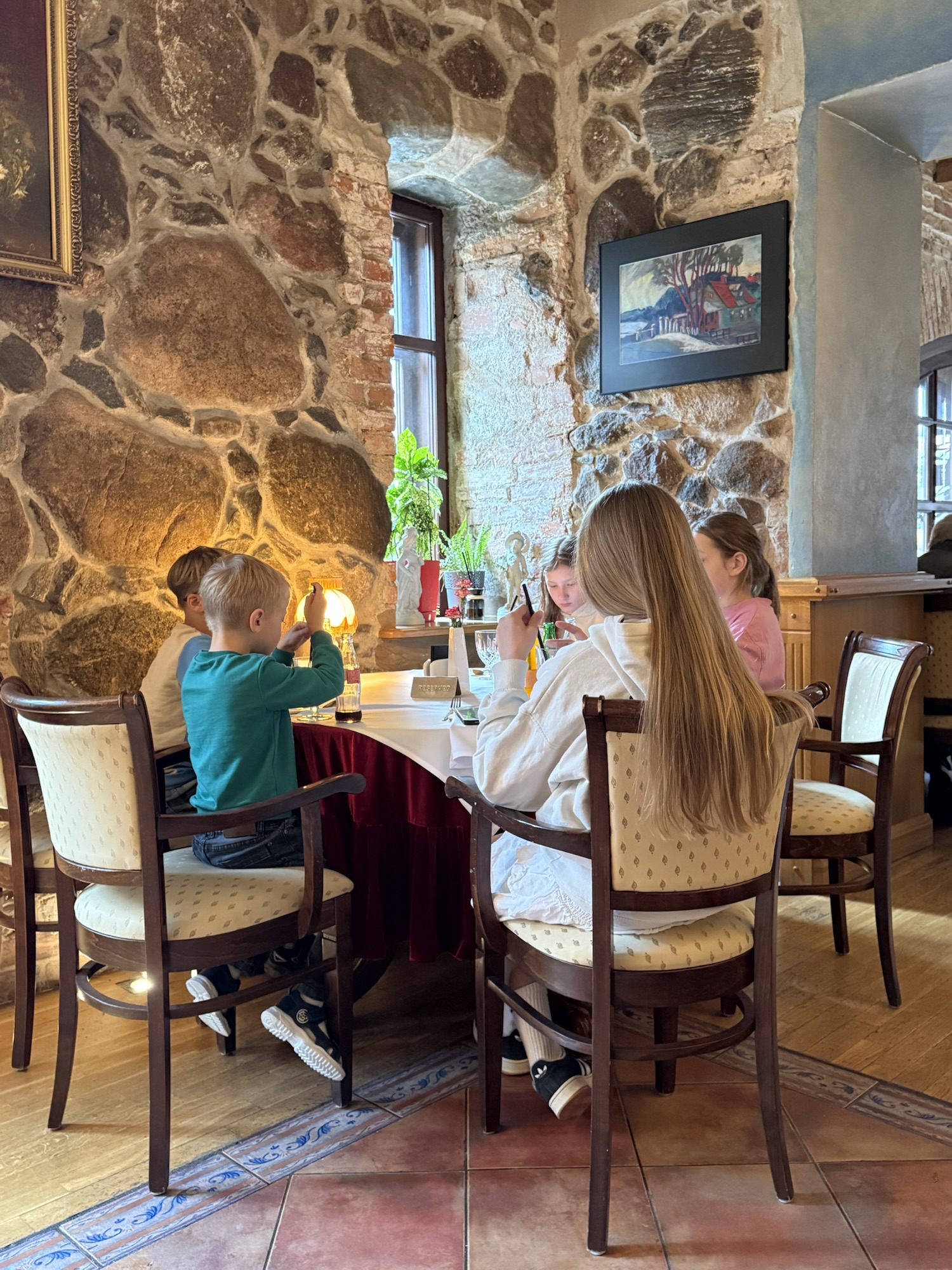
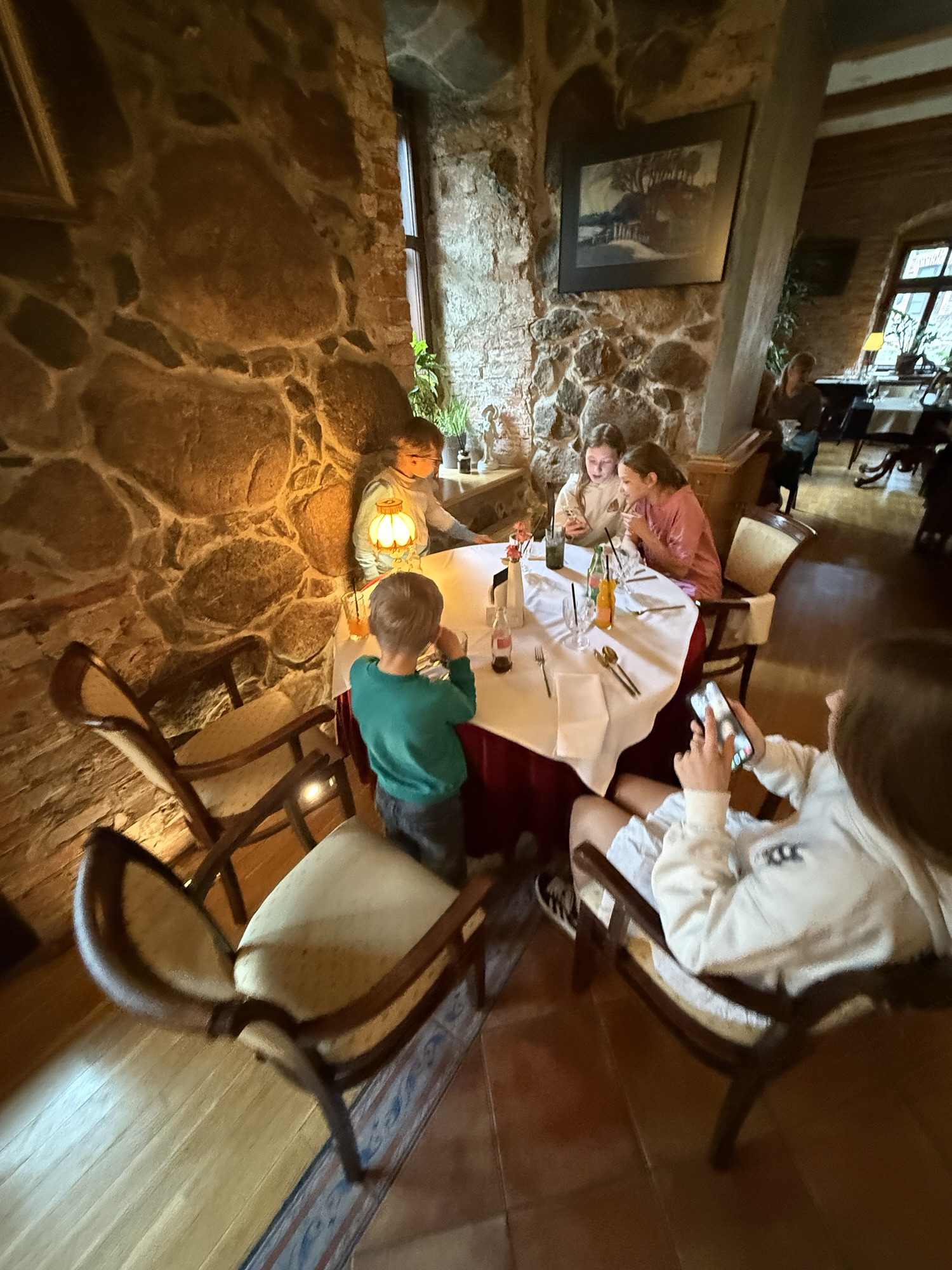
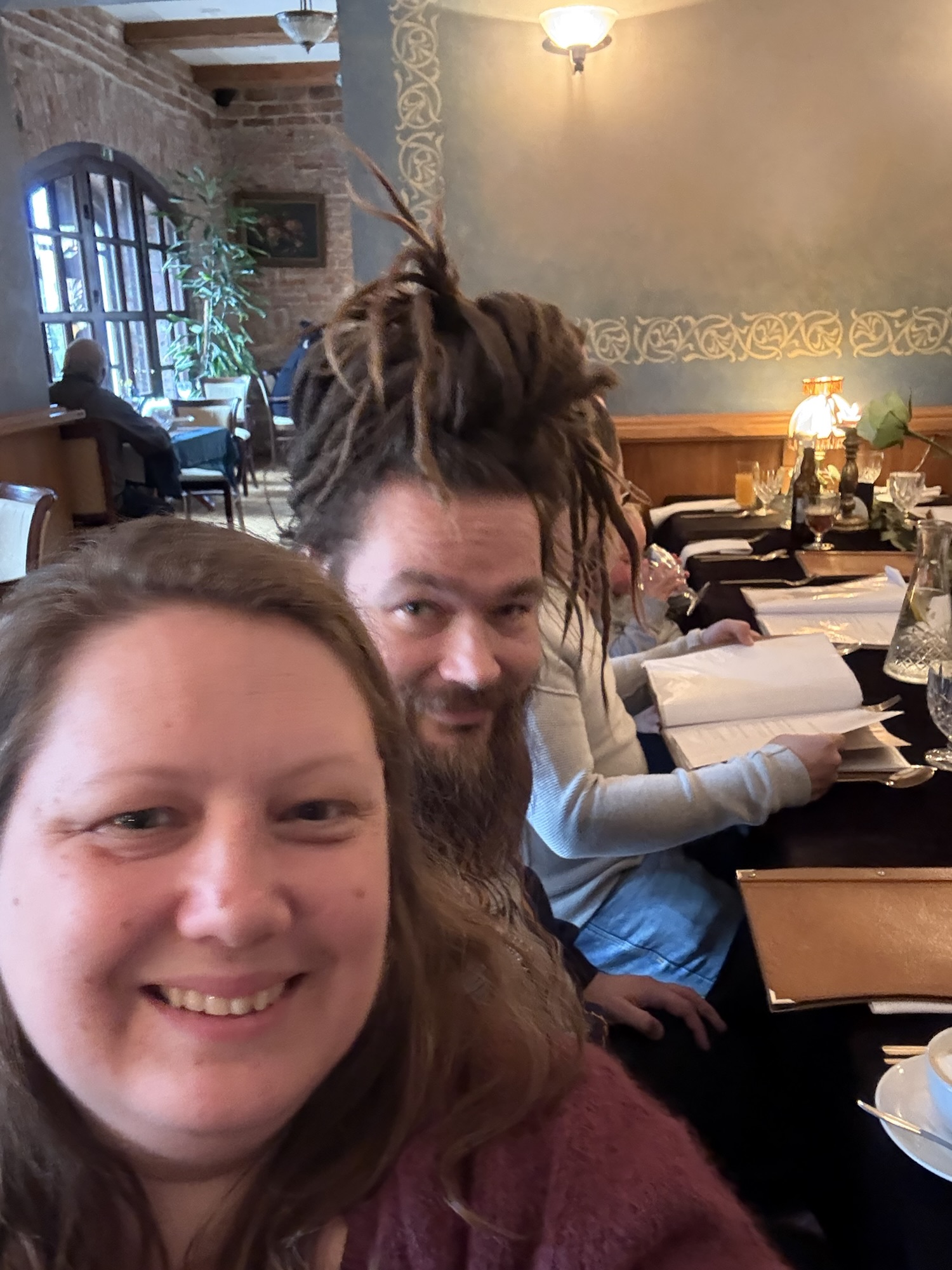
At the restaurant, the kids had their own separate table, which made them feel wonderfully grown up. Meanwhile, we had such a lovely time at ours — chatting, laughing, and simply enjoying being together. It was one of those evenings that feels easy and warm, the kind you wish could last a little longer.
We came home around 9 PM. That was when I noticed something on Helmī’s chin.
At first I was shocked, but I honestly thought it was something simple — maybe something from food, maybe a stain, something we could just wash away. But it wasn’t.
She didn’t fall, wasn’t hit by someting, etc.. no explanation. We gave her an antihistamine and all went to bed, cause she felt like nothing has happend!
The next morning, I called a distant relative who helps as a nurse with children’s care. She is not practicing as a doctor herself, but she knows these things well cause have degree!
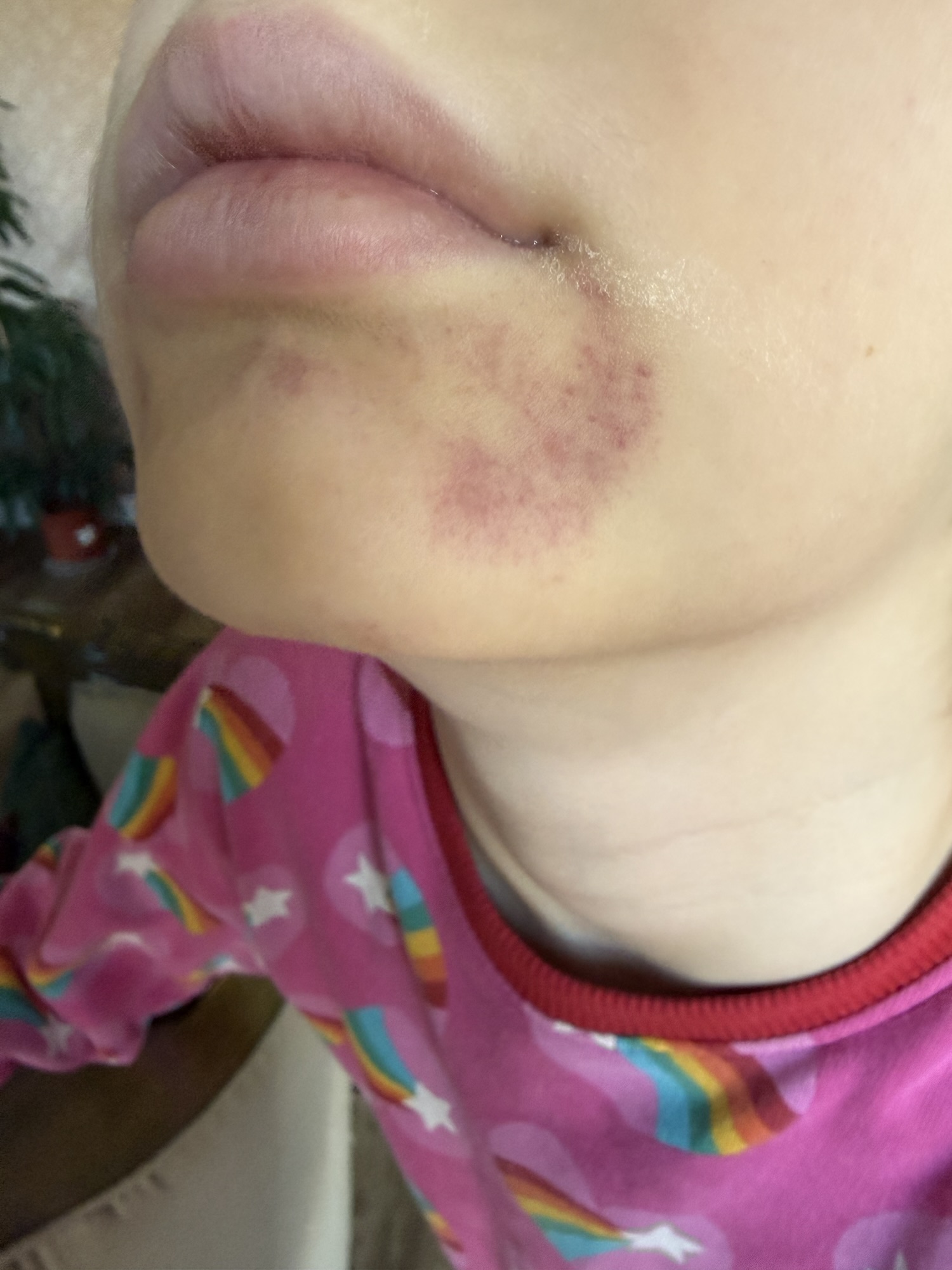
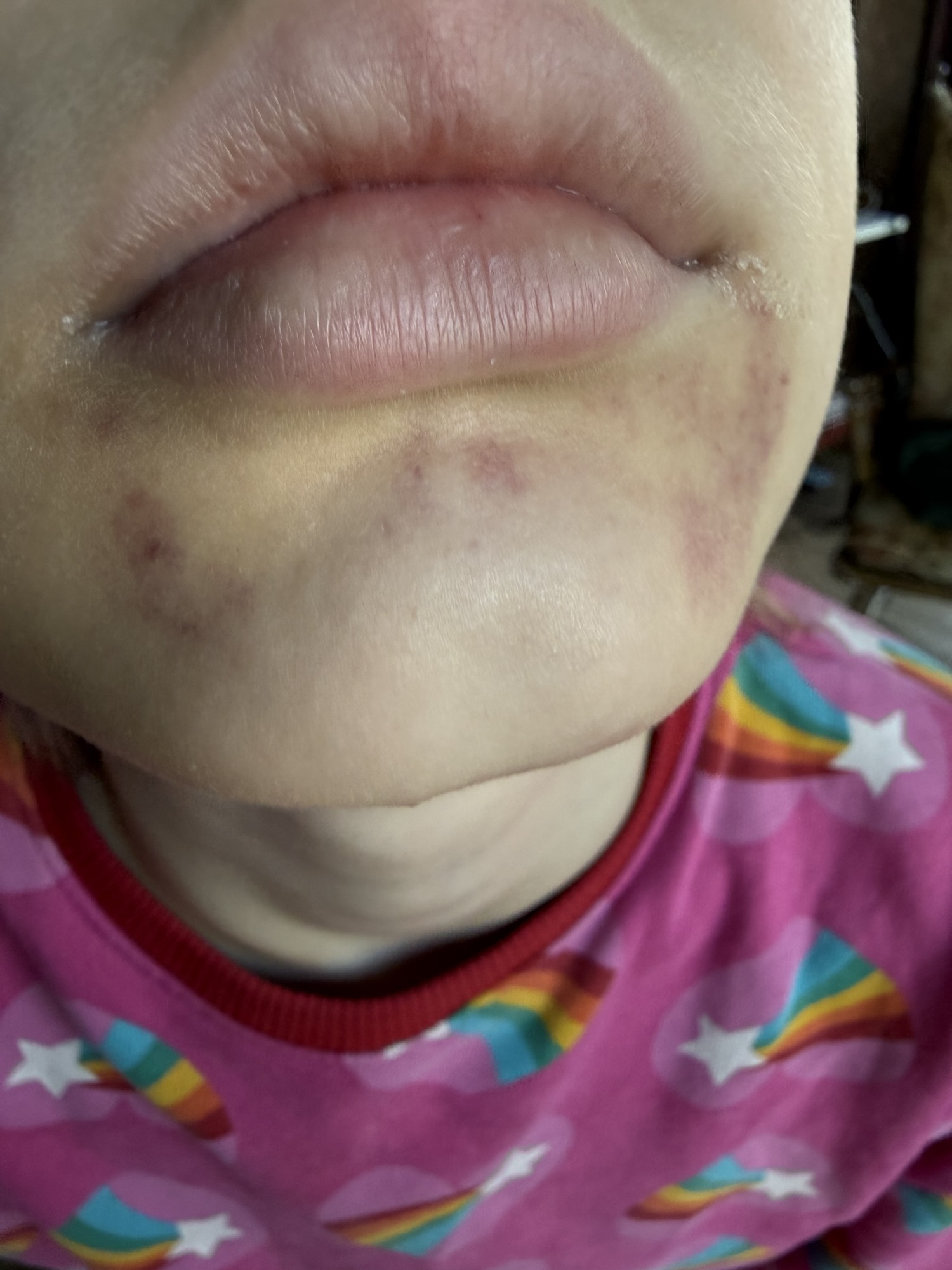
Her words stopped me cold: a severe allergy reaction. Luckily, Helmī had no trouble breathing.
Say that again.
Luckily, she had no trouble breathing.
Because what showed up on her chin was likely burst blood vessels from the reaction, and if it had gone another way, it could have been much worse — swelling of the tongue and lips, trouble breathing, the kind of thing that sends you rushing to the hospital.
We still cannot figure out what caused it. The strangest part is that Helmī felt completely normal. No discomfort, no change in mood, no complaints at all. She was entirely herself.
So yes, we were lucky.
It was the weekend, no doctor available, but the hospital is always there — only 15 minutes away.
What did we decide to do? What would you do!
Ilze
Discover more from a day in the life of a latvian mom
Subscribe to get the latest posts sent to your email.
 a day in the life of a latvian mom
Oh how scary. Anytime something happens to a child we panic first and then we hope.
I was thinking of you this morning. There is a Latvian family living in Ballarat and we often say hello as I walk to the shops. I was thinking of WW2 and all that happened then to Latvia Estonia and Lithuania. I was a history teacher and I am so very glad I am Australian. The latvians I have met in Australia all came at the end of the War and . . . and what can I say.
LikeLiked by 2 people
Thank you — that’s exactly how it felt, panic first and then trying to stay calm. Children really reset your sense of what matters in a second.
Your story about the Latvian family in Ballarat made me pause. It’s such a strange feeling to think how far people travelled and how much they carried with them from that time. Latvia has such a layered history, and sometimes I forget how visible it still is to others.
Do you ever talk with them about their family stories, or is it more just a quiet “hello” kind of connection?
I always wonder how much of that history lives on in everyday conversations abroad.
LikeLiked by 1 person
No. They never talk. But as an old history teacher I know what they are keeping quiet.
LikeLiked by 1 person
Oh Ilze . . . . all the many Estonians still alive whom I know remember and talk and compare . . . not always very favourably of how ‘it’ was ‘before’ and how much has changed . . . initially we had some 20,000 WWII Estonians here in Australia and some 4.000 in the Sydney region . . . we now have thousands of current, mostly academically minded Estonians living here – their high education brings in much better pay with more possibilities in a warmer climate . . . at the same time some of my friends” children born here have gone to visit Estonia and stayed to live.
LikeLike
Oh dear oh dear. Did you find out what she’s allergic to? what a damn shame.
LikeLike
We still don’t know — and that’s the part that sits in the back of my mind. Everything she ate was something she’s had before, nothing new or unusual.
It almost makes it more unsettling, doesn’t it? If it was something obvious, at least we could avoid it.
Have you ever dealt with allergies in your family? Did you manage to pinpoint the cause, or was it more trial and error over time?
LikeLike
We have a grandson who is allergic to penicillin, but he’s 22 now and I
can’t remember how we found out. His cousin had hummus for lunch one day
when he was about 3 and started to swell up straight away, so off to the
hospital they went and he’s allergic to sesame seeds, and was provided
with an epi-pen. H’s 24 now, and still has to be careful. Once a cafe
told him the burgers were sesame free and they weren’t . . . off to the
hospital.
My sister was violently allergic to oranges until she was 7. My cousin’s
daughter (in her 30s now) is violently allergic to any citrus – even
citrus scented cleaning stuff – and has an epi-pen. My maternal
grandmother couldn’t eat oranges without getting a migraine, so clearly
a family thing.
My niece is allergic to tree nuts. I am intolerant of all dairy products.
I’ll shut up now! and good luck with your daughter.
Maybe the hospital could do some tests? what a total bummer.
LikeLiked by 1 person
Thank you so much for sharing all of that — it really puts things into perspective. That’s quite a few people in one family dealing with allergies in different ways… it must have taken a lot of learning and adjusting over the years.
Here in Latvia it never felt that common before, but now I’m starting to think that’s changing — or maybe we’re just noticing and talking about it more.
I actually wanted to do a full allergy panel (I think it was called ALEX 2.0), but the doctor told me it would be a waste of money. Few years ago i did one on my own, and it showed nothing… which was a bit frustrating, because I know I react to firewood — every time we prepared it, brought in or I lit it, I get symptoms.
So now I’m somewhere between trusting tests and trusting real-life experience.
Did your family mostly rely on clear reactions like swelling to figure things out, or did anyone find testing helpful in the end?
LikeLike
In the grandsons’ and second cousin’s cases it was hospital testing. In
my sister’s, grandmother’s and my case, we just worked it out with trial
and error. When I was breastfeeding my younger daughter, I couldn’t have
any cow’s milk products, or she would scream and scream. Until she was 6
months old when it miraculously stopped. Goat’s milk didn’t affect us.
Her daughter (now 10) was dairy intolerant from birth (green, bloody
nappies and screaming) so my daughter couldn’t have any dairy either
whilst breastfeeding. A dietitian told her that there’s clearly a common
thread between me, daughter, and granddaughter. Which makes sense.
Granddaughter has now done the “milk ladder” successfully, but I gave
up. I’ve arranged my life around being dairy free now.
Interestingly, the hospital did do a “patch” test on me. The NHS said
then that if a blister comes up within 20 minutes, you’re allergic.
However, my reaction took two hours, so didn’t count. Nowadays they’re
saying within 2 to 3 days. Hmm.
LikeLiked by 1 person
Thank you for sharing all of this — it’s honestly so interesting (and a bit overwhelming) how different it can be from person to person, even within the same family. That “common thread” your dietitian mentioned really makes sense when you lay it all out like that.
The breastfeeding part especially made me pause — how closely connected everything is. It must have taken a lot of patience to figure that out, step by step, without clear answers at the time.
And the testing… that’s exactly what makes me hesitate. Even your example with the patch test — first 20 minutes, now 2–3 days — it makes you wonder how much we can really rely on a single result. It feels like the body doesn’t always follow the “rules” doctors expect.
I think I’m slowly realizing that it’s a mix — tests can help, but real-life patterns matter just as much, maybe even more.
Right now I’m leaning towards keeping notes.
Thank you!
LikeLike
Well, everyone reacts differently and has a right to do so – in my case I would have had a medical person see the quite considerable reaction and at least document it. You know what you saw on the outside > you don’t know what was going on inside – and that is the important bit. For now, but more so for the next time when matters could be worse. Hope things are settling down . . . and you were at a very lovely place . . . quite atmospheric 🙂 !
LikeLiked by 1 person
You’re absolutely right — that thought has been sitting with me since. What we see on the outside is only part of the story.
If it happens again, I wouldn’t hesitate — we are very close to the hospital, and that gives some peace of mind, but also maybe a false sense of “we have time.”
Documenting it properly is a very good point. I hadn’t even thought about how important that could be for the future.
Have you had to deal with something similar yourself, where the reaction looked manageable but turned out to be more serious underneath?
LikeLiked by 1 person
Thank goodness it was not a worse reaction. A friend of mine had a swollen tongue, enormous – impossible to speak and hard to breathe. I wouldn’t wish that on anyone. Good that the hospital isn’t too far away. But you do need to establish what it is she’s allergic to.
LikeLiked by 1 person
That sounds absolutely terrifying… a swollen tongue is exactly the scenario that keeps replaying in my head now.
It really does shift your perspective — before this, allergies felt like something abstract, but now it feels very real and very close. She does have a kiwi allergy, but it’s nothing like this. With kiwi, it shows up on her skin and lingers for almost two weeks, more like small pimples — completely different from what we saw this time.
Figuring out the cause feels like the next step, but I’m not even sure where to begin — tests, a food diary, or just watching and waiting for patterns.
If your friend managed to identify the trigger, I’d really love to hear how they did it. Was it something obvious in the end, or did it take a long time to figure out?
LikeLike