The first dandelion always catch me by surprise. One day the grass still feels tired and colorless… and then suddenly—there it is. A small, bright sun, glowing quietly close to the ground.
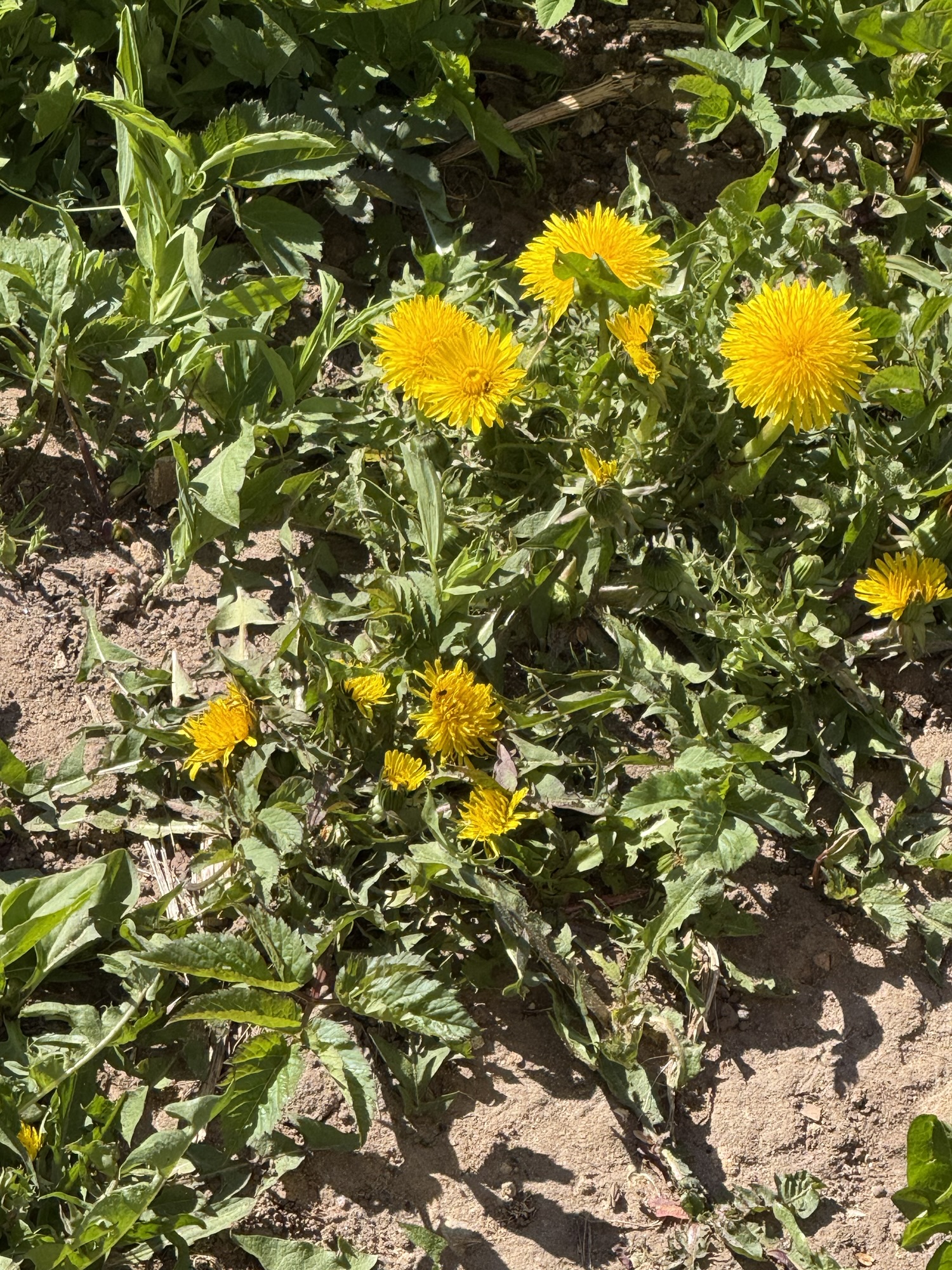
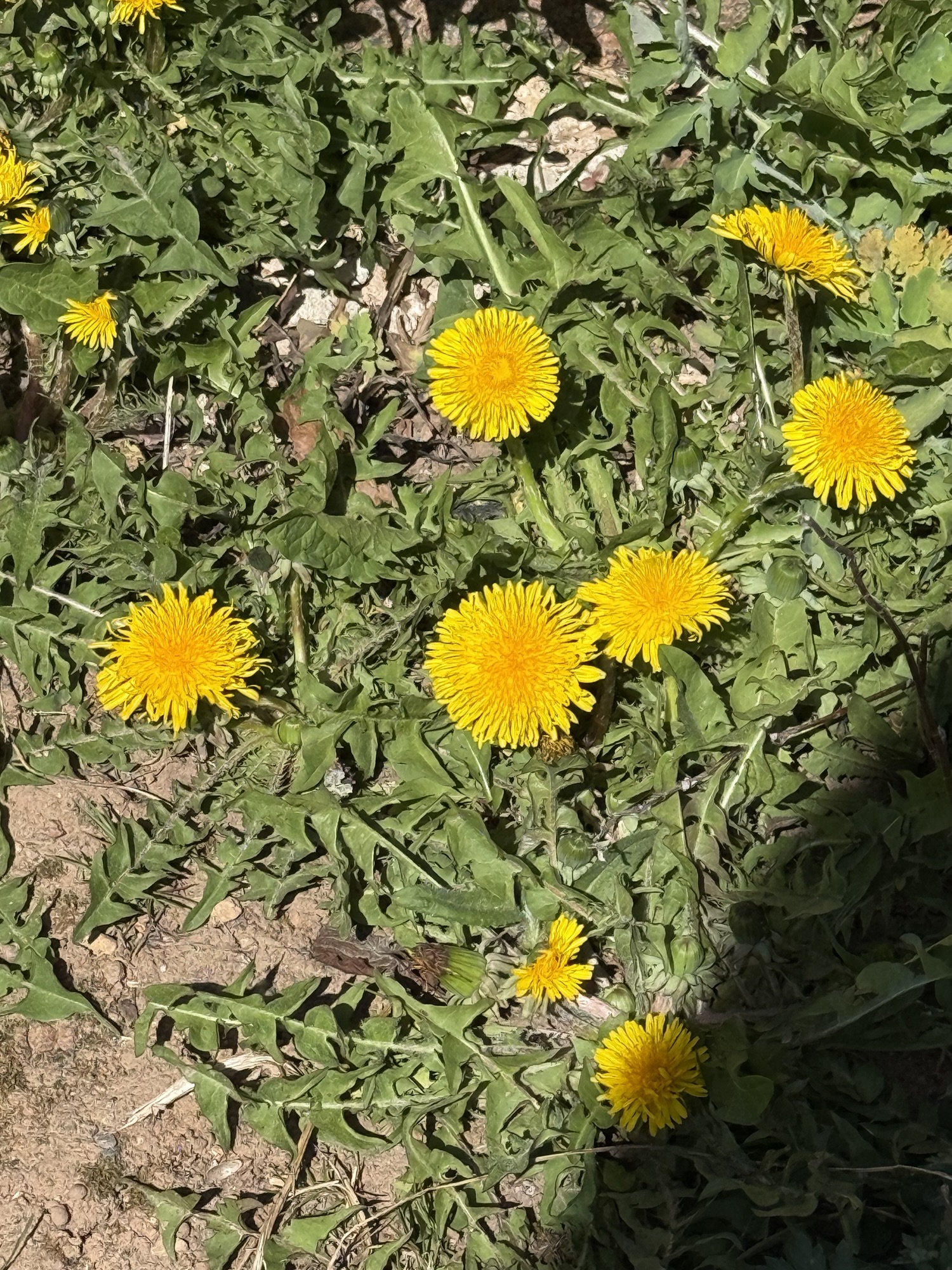
They are survivors. Healers. Dandelion is one of those plants that looks simple—but nutritionally, it’s surprisingly rich. Almost like a wild multivitamin growing right under our feet.
Traditionally, dandelion has been used for:
- Supporting the liver – Especially the root, known for helping the body process and release what it no longer needs.
- Aiding digestion – The bitter leaves gently stimulate digestion and appetite.
- Reducing water retention – A natural diuretic that doesn’t deplete potassium.
- Nourishing the body – Rich in vitamins and minerals, especially in early spring when we need it most.
- Skin support – Sometimes used in teas or washes for clearer, calmer skin.
Dandelions are rich in vitamins A, C, and K, contain several B vitamins, and provide important minerals like potassium, calcium, magnesium, and iron, while their flowers add antioxidants and flavonoids, and the roots support digestion and gut health with inulin and bitter compounds.
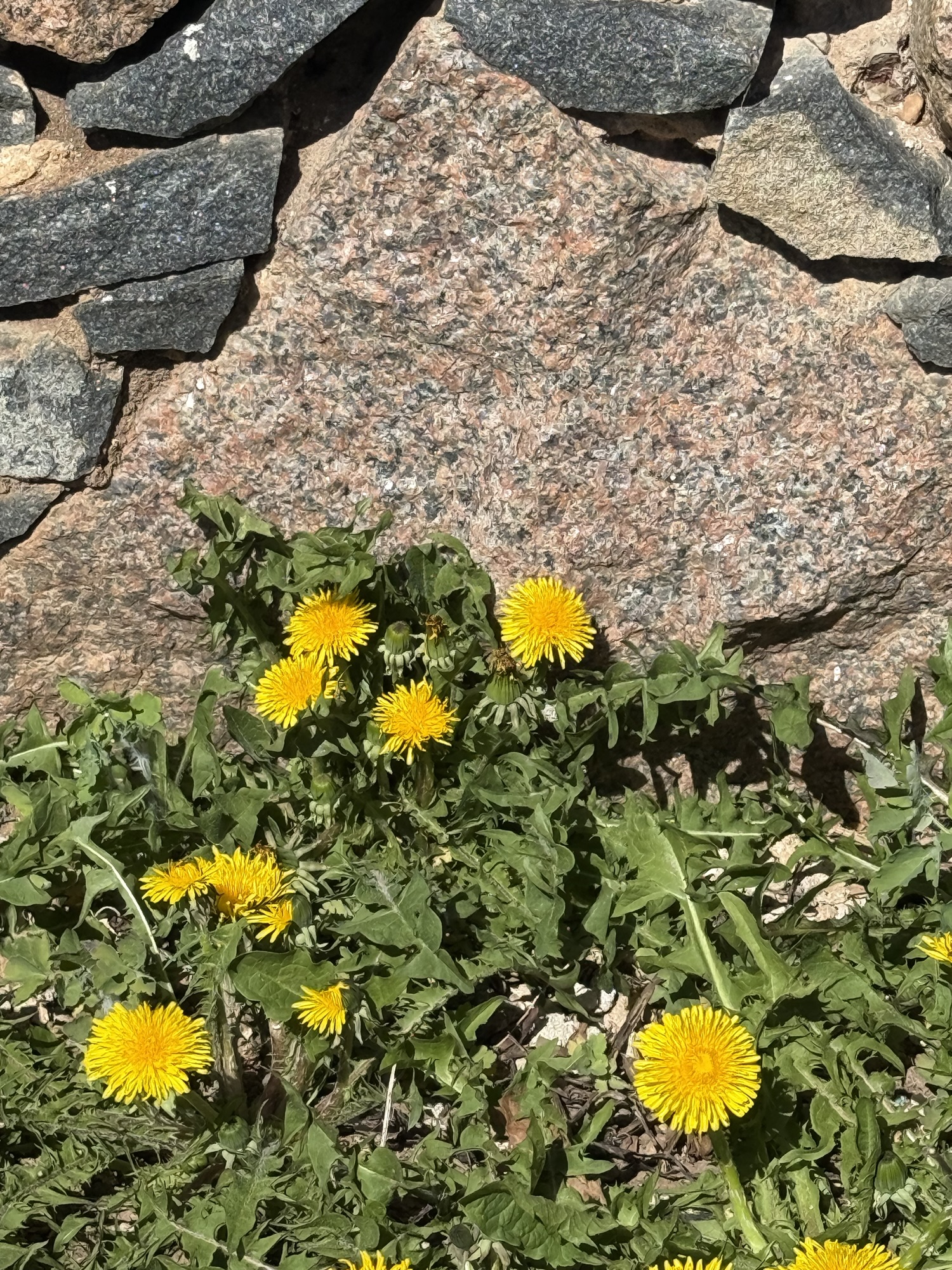
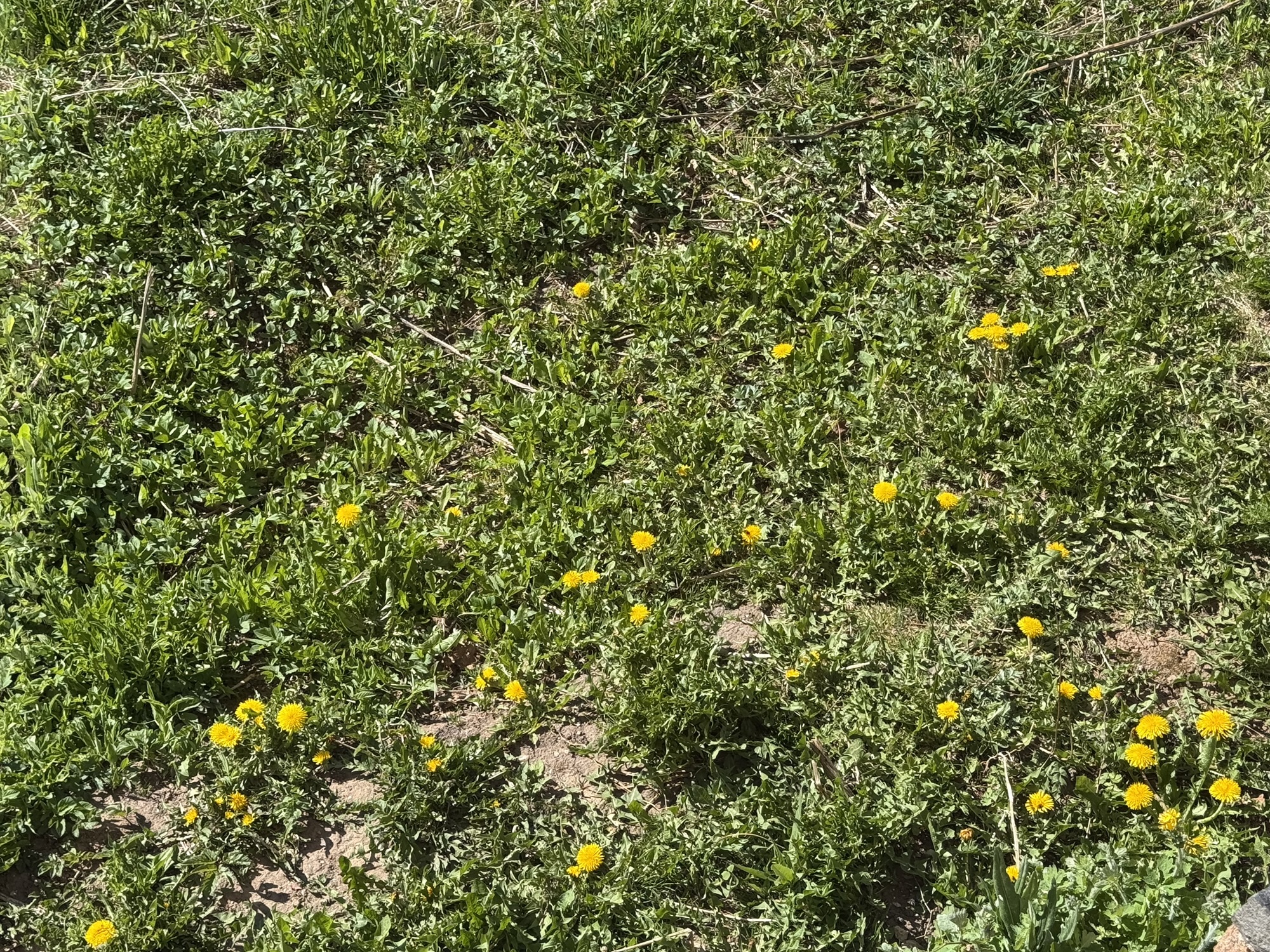
Ilze’s Herbal Caution Note
Dandelion (Taraxacum officinale) is generally safe and widely used, but I still treat it with care.
Here’s what I keep in mind:
- Because it stimulates bile flow, I’d be cautious if I had gallbladder issues.
- Its diuretic effect means I wouldn’t overuse it daily for long periods.
- And as always, if I were pregnant, on medication, or unsure—I’d check before using it regularly.
Even the most common plants deserve respect.
Have you noticed the first dandelions yet?
Ilze
Discover more from a day in the life of a latvian mom
Subscribe to get the latest posts sent to your email.
 a day in the life of a latvian mom
I finally made my peace with dandelions (known in French as piss-the-bed
– the diuretic effect I guess) because they’re also so good for the
bees. I didn’t know all those other benefits though – apart from the
diuretic effect. I also love the photo of Marley! what a happy, relaxed,
cat!
LikeLiked by 2 people
I smiled at that name—“piss-the-bed” says it very directly 😄 But yes, they really are so important for bees, especially this early in the season.
And I had the same feeling—such a common plant, yet there’s so much to it once you look closer.
Do you ever leave a patch of them just for the bees now?
LikeLiked by 1 person
I do! in fact there’s a thing in the UK called No Mow My. It’s to
encourage as many people as possible not to mow their lawns during May,
and to let them grow wild. The gardener is coming tomorrow to do the
final cut, then I’m going to sow some more clover seeds to encourage the
lawn to grow more clover (so many benefits!), and we have a couple of
“wild” places in our garden. I’ll put them up on my blog soon.
Favourite meal? Hmm. I’d have to think about that.
I do like to sit in the garden (it’s small but peaceful) and just listen
to the birds, watch them nesting, and notice things. Yeah.
xx
LikeLiked by 1 person
I would actually love to have a small garden 😊 For so many reasons—less water, less work, more thoughtful planning, and better use of space. It would also be easier to move things around.
And honestly… I think I’d turn it into a little jungle—cozy and intimate, a space that feels held.
Right now we have 7 hectares around us, and it’s just too much. There are no real boundaries, and I’m starting to feel like it’s actually easier when there’s some kind of “end line.”
LikeLike
Thank you so much for your writeup – I am very much into natural medicine as I may have said, but dandelions somehow have not come up except having seen dandelion tea suggested a few times. Homework needed. Meanwhile they surely are bringing colour onto your grass – spring HAS sprung 🙂 !
LikeLiked by 2 people
I love that—“homework needed” 🙂 It’s exactly how I feel too sometimes, like each plant opens a small door to learn something new.
Dandelion tea is one of the easier ways to start, I think.
Have you tried using many wild plants in your daily routine, or more occasionally?
LikeLike
More occasionally at the moment but I am very interested to learn!
LikeLiked by 1 person
I’m amazed by you!
LikeLiked by 1 person
Fine photographs and fascinating information. We have loads all around us. The roots are so deep it is difficult to contain them
LikeLiked by 2 people
Thank you 🙂 And yes—the roots go so deep… they’re not easy to move once they’ve settled in.
I sometimes think that’s part of their strength—growing quietly and holding on.
Do you try to remove them, or have you started letting some stay?
LikeLiked by 2 people
We do remove them. Many line the verges across the road. They look very good there, but we keep them out of our garden
LikeLiked by 1 person
Some make coffee out of root… never tried 🙂
LikeLiked by 1 person
i love them for so many reasons
LikeLiked by 2 people
There really are so many reasons to love them 🙂 Simple, but full of life.
Is there one reason you love them most?
LikeLiked by 2 people
they are so good for everything in nature, including humans, and i love to make crowns of them
LikeLiked by 1 person
Flower crowns! YES!
LikeLiked by 1 person
Wonderful 👌👌
LikeLiked by 2 people
Thank you so much 🙂
Have you seen them blooming where you are already?
LikeLiked by 1 person
Yes👍
LikeLiked by 2 people
And all of the years I just mowed them down!
LikeLiked by 2 people
Haha, I think many of us did the same for years 🙂 I definitely didn’t look at them this way before either.
It’s funny how something so common can suddenly feel completely different.
Do you think you’ll look at them differently now when they pop up?
LikeLiked by 1 person
That plant doesn’t grow here in the desert but I would try your food!
LikeLiked by 1 person
If you ever come to Latvia! LET ME KNOW! 🙂
LikeLiked by 1 person
I sure will!!
LikeLiked by 1 person
Paldies par atminam. Atceros kad plucam pienenes un taisijam gardus salatus.
LikeLiked by 2 people
Paldies 🙂 Tas ir tik skaists atmiņu fragments—pieneņu salāti!
Vai tu vēl taisi pieneņu salātus?
LikeLiked by 1 person
Vairak nave kur plukt pienenes.
LikeLiked by 1 person
not here
LikeLiked by 2 people
Not yet… but they will come 🙂 Sometimes it feels like they appear overnight.
Is it still quite cold where you are?
LikeLiked by 1 person
No, in the upper 80’s F. It’s probably because I live in a big city without much open land to grow. Many in the US consider them a weed.
LikeLike
Not yet have I seen one.
LikeLiked by 2 people
It feels like they take their time… and then suddenly they’re everywhere 🙂
I always notice that first one—it somehow stands out.
Will you be looking out for it now?
LikeLiked by 1 person
I always watch for it. 🙂
LikeLiked by 1 person
the same here 🙂
LikeLike
beautifull picture ♥️
LikeLike
In Gaelic, it is called Bearnan Bride, meaning “little notched plant of Brigid,” linking it tenderly to St. Brigid and her early spring blessings.
LikeLiked by 1 person
It feels right!
LikeLiked by 1 person
My in-laws used to make a dandelion salad, but I haven’t had it in decades. It’s scary to pick wild things and know they are safe to consume. Thank you for the reminder, Ilze.
LikeLiked by 1 person
Well, you need to know weather they are OK to eat and weather they are free from chemicals! I know what is growing in my yard and I know what is edible! I know basic few but that is enough 🙂
LikeLiked by 1 person