I got a question recently — why raised beds?
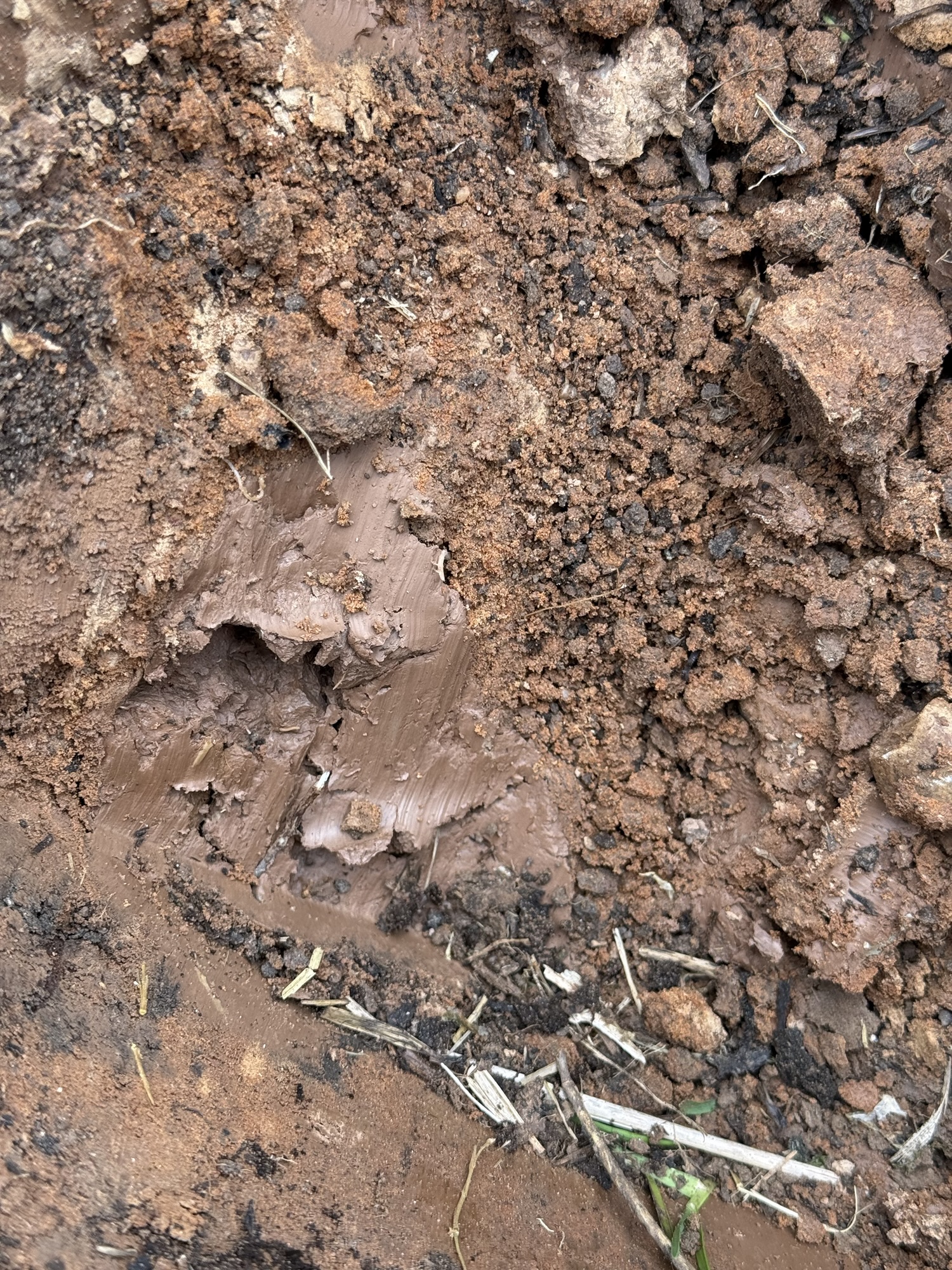
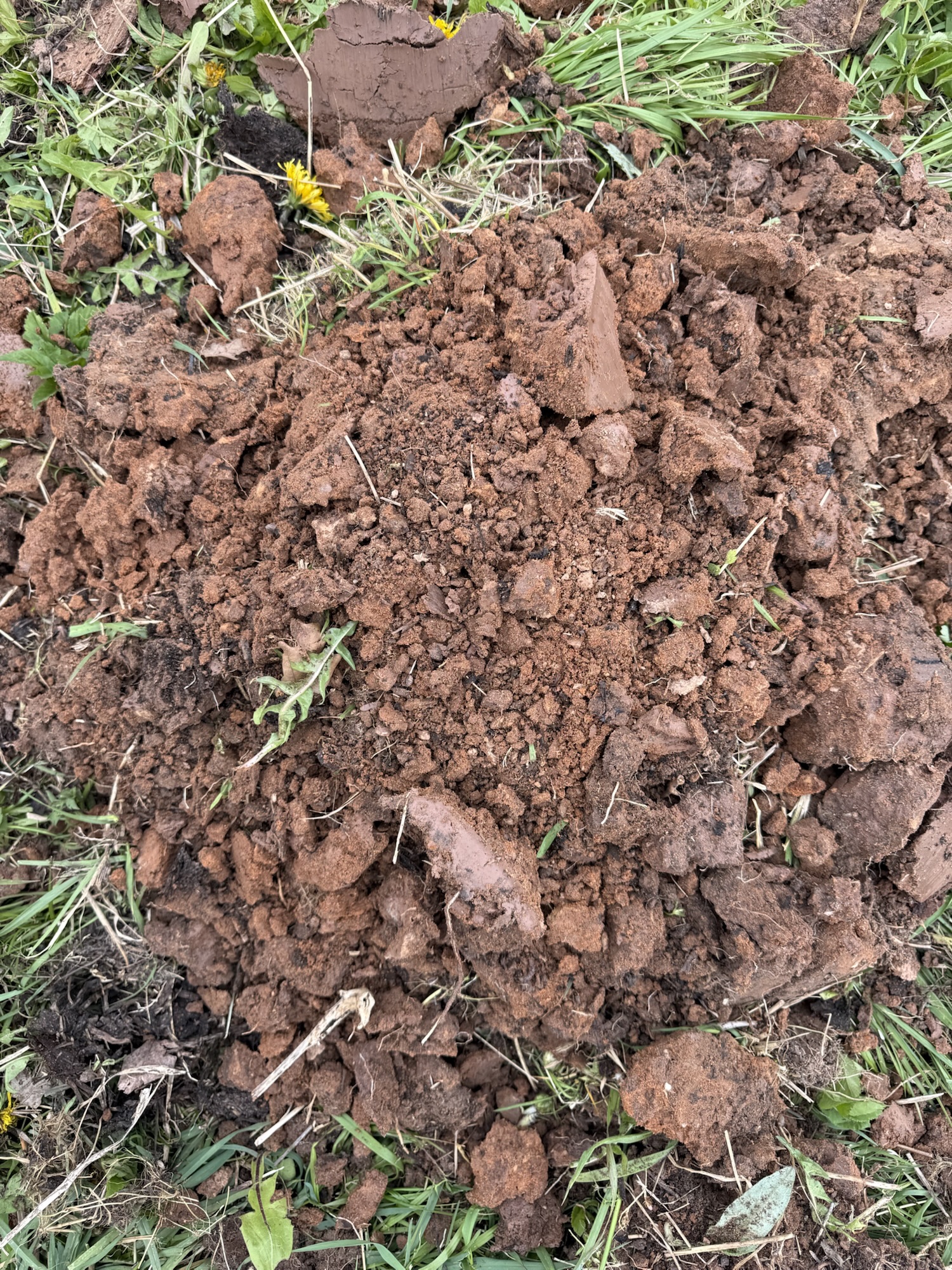
The answer is simple: heavy clay soil.
Our entire property is covered in it. If I want to plant something directly in the ground, I need to dig a hole by hand, bring in compost or better soil, fill the hole, and only then plant something. That might work for a shrub or a single plant, but not for a proper vegetable garden.
And honestly… I’m not fit enough to fight clay soil every single day.
So last year we tried something simple first — pallet collars.
Each collar cost around 7 euros (about 8 USD or 6 GBP), and a few of them we even got for free. I didn’t treat or protect the wood because the goal wasn’t to build a perfect forever garden. I just wanted something fast, affordable, and easy to set up to see whether we actually liked gardening this way.


That small kitchen garden quickly grew into something bigger… and somehow biggest part of it turned into a flower garden too.
But the pallet collars worked surprisingly well.
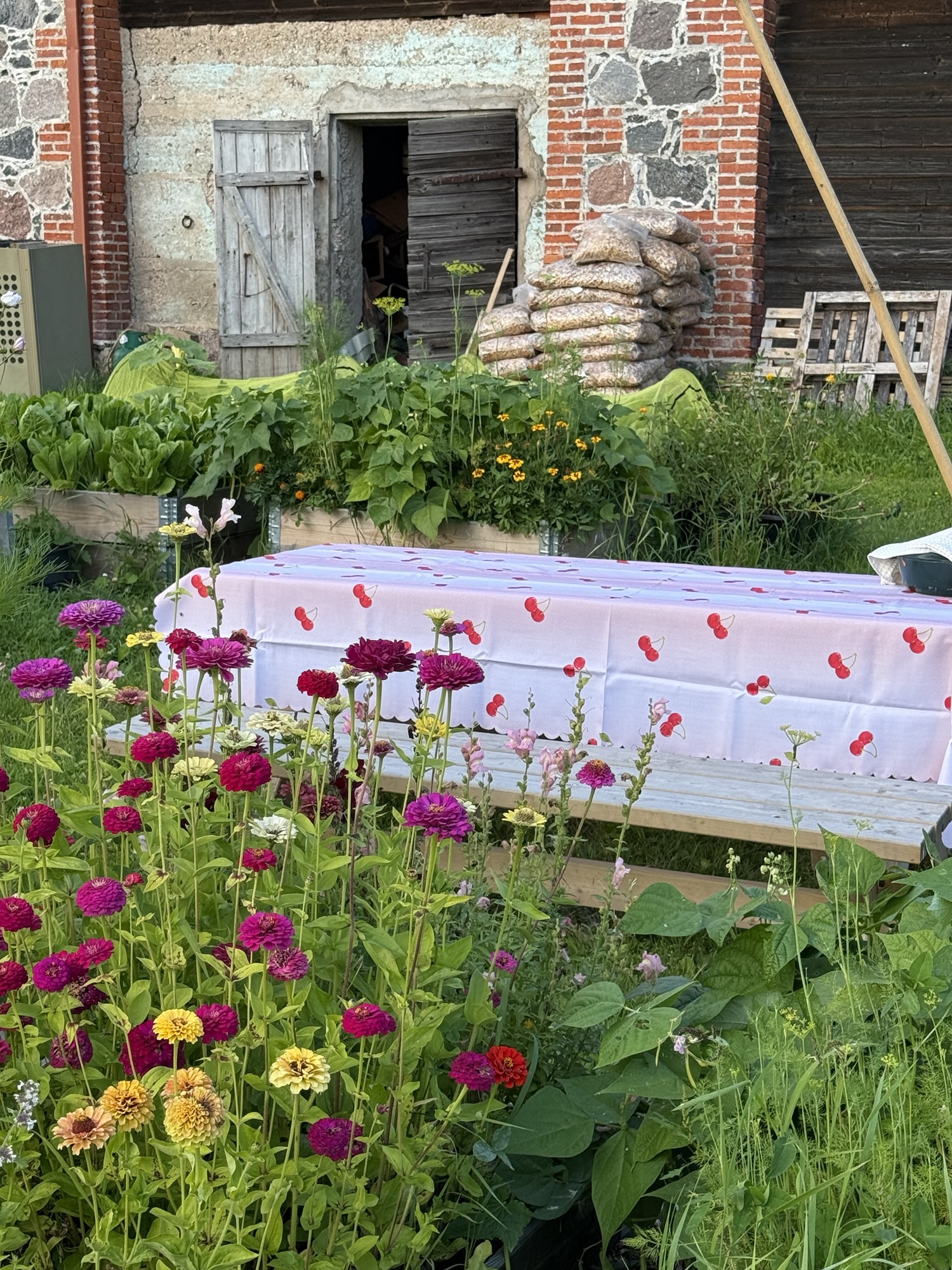

Last summer was extremely wet, and the raised beds were almost effortless. I think I watered only once or twice during the whole season, apart from the very beginning when the seedlings were still tiny.
This year I realized I wanted more growing space — especially for carrots, beets, and other vegetables/beans.
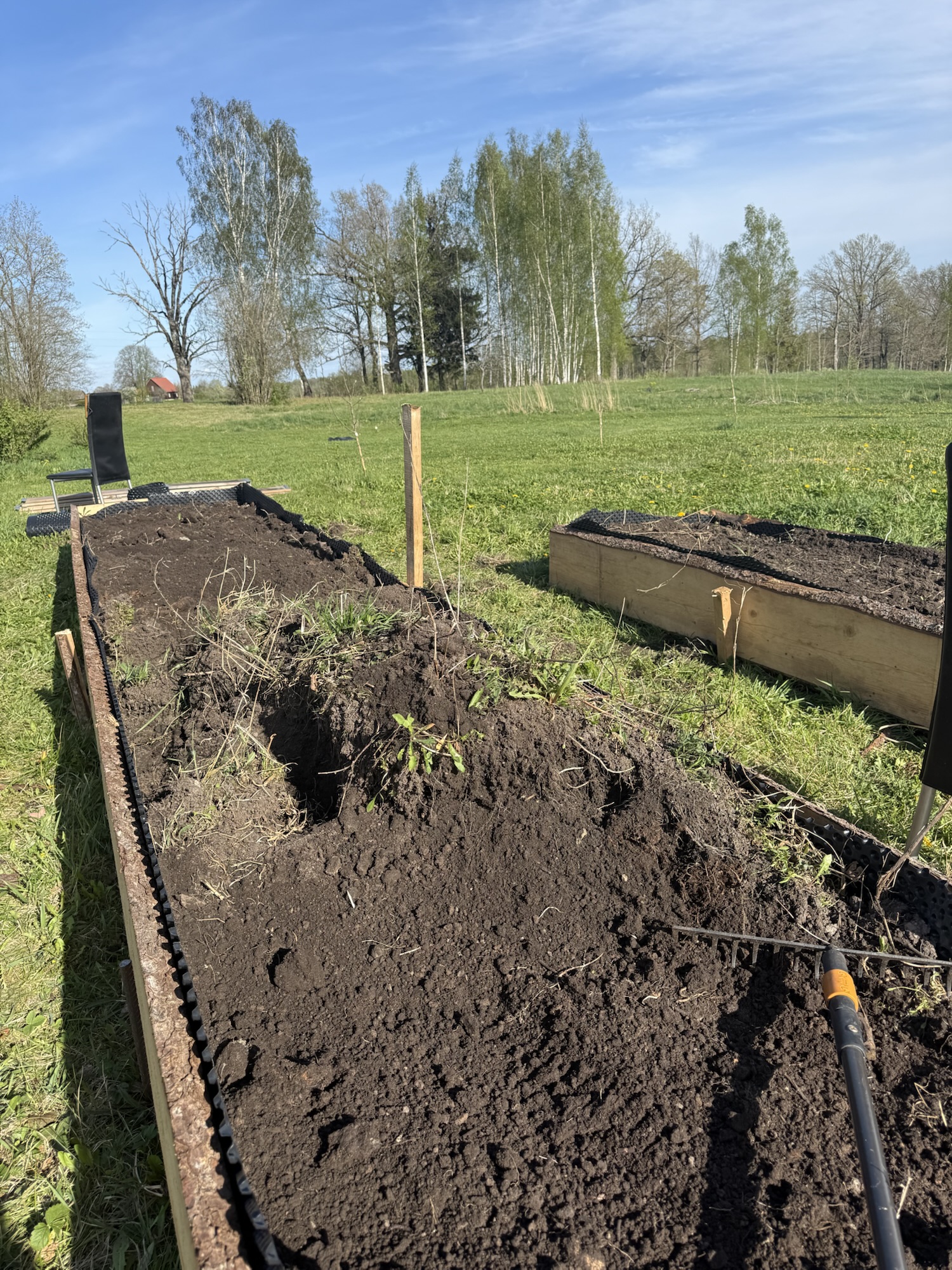
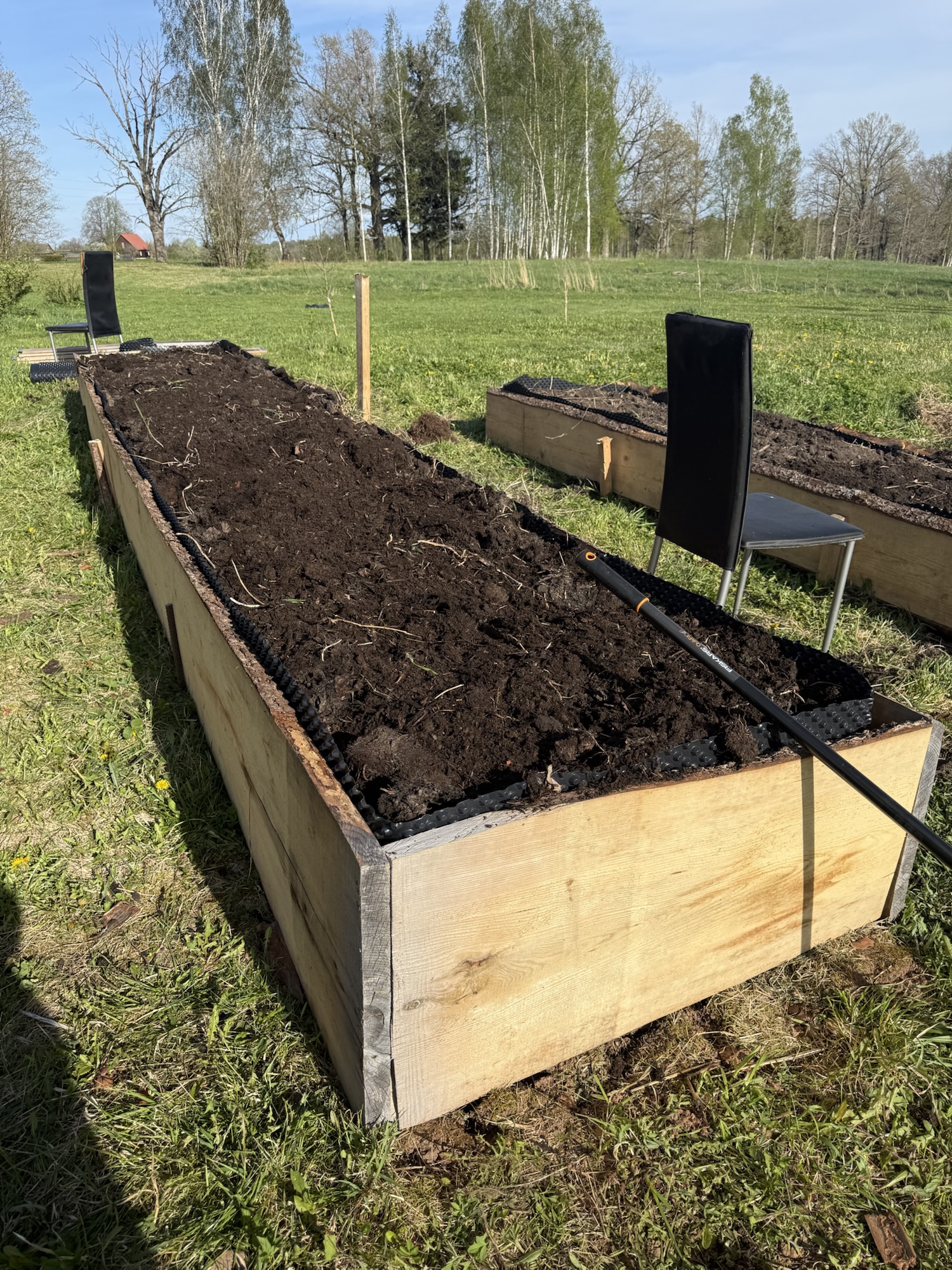
So we decided to build proper long raised beds.
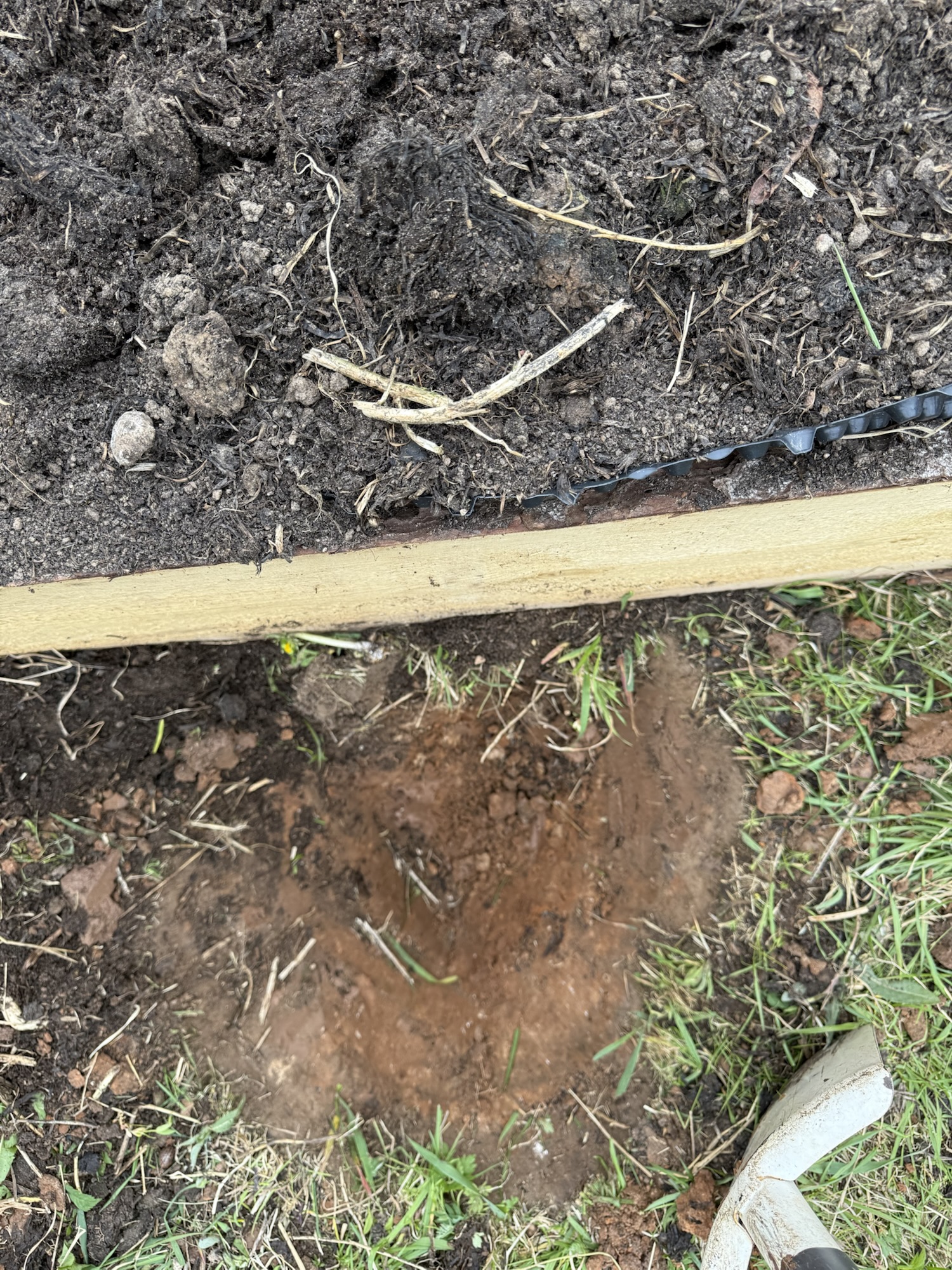
Underneath was complete clay. Heavy, sticky, compact clay everywhere.
We filled the beds with what we had available. First came leftover soil from digging the pond. Probably not the richest soil in nutrients, but at least it’s black instead of clay. Then we added composted horse and cow manure. In the picture on right you can see the raised bed’s compost vc hole in ground:
Will this setup work perfectly? I honestly don’t know yet. I still need at least one full season before I can properly judge the results.
But I already love one thing about raised beds. They are ready when I am.
I can plant whenever I want without waiting for a tractor to turn the soil, make furrows, or deal with heavy clay first.
For us, that already feels like a huge improvement. And independence!
Ilze
Discover more from a day in the life of a latvian mom
Subscribe to get the latest posts sent to your email.
 a day in the life of a latvian mom
Perfect for you and your family.
LikeLiked by 2 people
Thank you 🙂 I really hope so too. It already feels much easier. Will you grow anything yourself in your new home?
LikeLiked by 1 person
Wow, so much clay! I hope the rain drains away from your home nicely as the water has no place to go. Those beds look like they would work very well.
LikeLiked by 1 person
Oh yes… the clay becomes almost like glue after heavy rain 😅 During the renovation we actually had to dig huge amounts of clay out from both inside the house and all around it. We added sand and drainage pipes around the foundations to help move the water away.
You probably noticed in the pictures that the house has those old stone-and-brick support beams with windows built in between them. They were all handmade around 1880, and over the years the clay soil and freezing winters slowly shifted them — each beam now leans slightly in its own direction.
Specialists told us it would be almost impossible to make everything perfectly straight again without tearing the whole structure apart and rebuilding it completely. In the end, we decided to leave it as it is (don’t worry, it’s completely safe!). Somehow the uneven walls and crooked beams give the house its old soul and character 😊
I might actually write a post about it someday.
LikeLiked by 1 person
I hope you do write a post about your house! I’d love to see it in person. 1880, that was a few years ago. I’m glad you installed a drainage system to keep the home stable. 👍🏻❤️
LikeLike
Excellent reasoning – and looks great too.
LikeLiked by 1 person
The use of pallets is a great idea, Ilze.
LikeLiked by 1 person
Thank you!
The final beds was from proper wood 🙂
The pallet collars turned out much better than I expected honestly. I like that they are simple and inexpensive, especially when experimenting. Have you ever tried raised beds or containers in your garden?
LikeLiked by 1 person
Ilze -heightened vegetable and flower beds are very, very, very common in Australian gardens and not just because of possible clay soils. They are simply easier to manage as far as backs and reaching are concerned, especially for older people, and they often look neater with seasonal vegetables – some are full and ripening, some are neatly being replanted. Yours look great – best of planting!
LikeLiked by 1 person
Thank you so much, Eha 🙂 That makes a lot of sense actually. I already noticed how much easier it is on the back compared to bending over ground-level beds all the time. And I agree — raised beds somehow make everything look tidier even when the garden itself is a bit chaotic 😅 What vegetables are most commonly grown in raised beds in Australia?
LikeLiked by 1 person
Methinks exactly the ones you grow depending on where we are – remember how large the country is – everything from tropics to parts with snow, and coastal greenery but also much desert . . . huge !!! Oh – perhaps more Chinese vegetables like bok and pak choi and other Chinese veggies and more herbs like chillies and coriander . . . but you have the same also . . .
LikeLiked by 1 person